Household pests can appear in almost any home, regardless of how clean or well-maintained the property may be. Insects and rodents enter homes looking for food, water, warmth, shelter, and suitable places to reproduce. Some pests are mainly a nuisance, while others can contaminate food, damage building materials, or become difficult to eliminate once an infestation is established. Kitchens, bathrooms, basements, attics, garages, and areas around the foundation are particularly attractive to many common pests. Understanding the most common household pests, what attracts them, and the warning signs they leave behind can help homeowners identify problems earlier and determine when professional Pest Control Port St Lucie may be appropriate.
What Are the Most Common Pests Found in Homes?
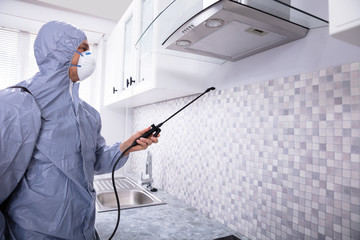
The types of pests found in a home depend on climate, season, building construction, surrounding environment, and available food and water. However, ants, cockroaches, rodents, spiders, termites, flies, mosquitoes, fleas, bed bugs, and wasps are among the pests homeowners commonly encounter.
Each pest behaves differently and requires a different approach to control. Some enter temporarily while searching for food, while others establish nests or breeding populations inside the property. Correctly identifying the pest is therefore an important first step. Treating the wrong species or failing to locate the source can result in recurring activity.
Why Are Ants So Common in Homes?
Ants are among the most frequently encountered household insects. They can enter through extremely small cracks and gaps while searching for food and water. Kitchens, pantries, pet feeding areas, and spaces around sinks are common places to notice ant trails. Sweet substances, grease, crumbs, and other food residue can attract different ant species.
Eliminating the ants you can see may not address the colony responsible for the activity. Depending on the species, colonies may be located outdoors, inside wall voids, beneath floors, or in other protected locations. Cleaning food residue and addressing entry points can help with prevention. Persistent activity may require treatment designed for the particular ant species.
Why Are Cockroaches a Serious Household Pest?
Cockroaches prefer environments where food, water, warmth, and shelter are readily available. They commonly hide behind appliances, beneath sinks, inside cabinets, around plumbing, and in cracks during the day. Because many species are primarily active at night, homeowners may not immediately realize how much activity is present.
Warning signs can include droppings, egg cases, shed material, unusual odors, and live insects. Good sanitation and moisture control are important because crumbs, grease, garbage, and leaking plumbing can support cockroach populations. Established infestations can be challenging to eliminate without addressing both the insects and the conditions allowing them to survive.
Are Mice and Rats Common Household Pests?
Mice and rats frequently enter buildings in search of food and protected nesting areas. Garages, basements, attics, kitchens, storage rooms, and wall cavities can provide suitable shelter. Rodents may gain access through structural openings around foundations, doors, roofs, vents, and utility penetrations.
Common warning signs include droppings, gnaw marks, damaged food packaging, nesting material, and scratching noises inside walls or ceilings. Rodents may damage insulation and other building materials and can sometimes gnaw electrical wiring. Effective rodent control generally combines removal with sanitation and exclusion. Sealing entry points is important for preventing new rodents from replacing those already removed.
Are Spiders a Sign of a Pest Infestation?
Finding an occasional spider does not necessarily mean a home has a major pest problem. Spiders often enter buildings accidentally or move indoors because other insects provide a food source. They may be found around windows, basements, garages, attics, storage spaces, and quiet corners.
However, frequent spider activity can sometimes indicate that other insects are abundant enough to provide a reliable food supply. Reducing those insects may consequently reduce spider activity. Sealing exterior gaps and removing excessive webs can also help. Because some spider species can present greater concerns than others, unfamiliar spiders should be treated cautiously.
How Can Termites Affect a Home?
Termites are particularly concerning because certain species feed on cellulose-containing materials and can damage structural wood. Much of their activity may remain concealed inside walls, floors, foundations, or wooden components. As a result, significant activity can sometimes occur before homeowners notice obvious signs.
Potential warning signs can include discarded wings, mud-like shelter tubes associated with certain termite species, or damaged wood. However, termite identification can be difficult because some signs resemble those caused by other insects or moisture problems. Suspected termite activity is a good reason to arrange a professional inspection. Early identification can limit the opportunity for additional damage.
Are Bed Bugs Common Household Pests?
Bed bugs can infest homes by being transported on luggage, furniture, clothing, bags, and other belongings. Their presence is not an indication that a home is dirty. Once introduced, they typically remain close to locations where people rest for extended periods, including mattresses, bed frames, upholstered furniture, and nearby cracks.
Bed bugs can be difficult to identify and eliminate because they hide in narrow spaces. Signs may include live insects, shed skins, dark spotting, or other evidence around sleeping areas. Because several insects can be mistaken for bed bugs, accurate identification is important before treatment begins. Established infestations often benefit from a systematic professional approach.
What About Fleas?
Fleas are commonly associated with pets, although homes without pets can sometimes experience flea activity under certain circumstances. Adult fleas may be noticed on animals or around carpeting, furniture, pet bedding, and other areas where hosts spend time. Managing only the fleas visible on a pet may not address immature stages elsewhere in the environment.
Effective flea control may require coordination between appropriate pet care and treatment of the home environment. Pet bedding and frequently used areas may need attention as part of the control strategy. Homeowners should consult a veterinarian regarding flea treatments intended for animals rather than applying household pest products to pets. Preventive pet care can also help reduce the likelihood of recurring infestations.
Why Do Flies Enter Homes?
Flies can enter through open doors, damaged screens, and other openings, or they may reproduce indoors when suitable organic material is available. Garbage, food waste, overripe produce, drains, and other materials can attract different types of flies. Identifying what is supporting the population is usually more effective than repeatedly killing individual adult flies.
Sanitation is one of the most important preventive measures. Garbage containers should be managed properly, food should not remain exposed unnecessarily, and spills should be cleaned promptly. Screens and doors should also be maintained to limit entry. Persistent indoor fly activity may indicate a breeding source that needs to be located and removed.
Are Mosquitoes a Household Pest?
Mosquito problems usually originate outdoors, but mosquitoes can enter homes through open doors, windows, or damaged screens. Standing water around a property provides breeding opportunities for many mosquito species. Containers, clogged drainage areas, plant saucers, and other locations that hold water can contribute to mosquito populations.
Reducing unnecessary standing water is an important preventive measure. Screens should also be kept in good condition to limit indoor entry. Because mosquito activity varies substantially by region and season, prevention strategies should reflect local conditions. Persistent outdoor mosquito problems may require a broader property-management approach.
What About Wasps and Other Stinging Insects?
Wasps and other stinging insects may build nests around rooflines, eaves, sheds, wall cavities, trees, and other protected locations. Activity can become particularly noticeable during warmer parts of the year. A nest near doors, walkways, patios, or other frequently used areas can create an unwanted risk of encounters.
Homeowners should be cautious about disturbing an active nest, especially when its size or location makes access difficult. Some people can experience serious reactions to insect stings, making unnecessary contact particularly important to avoid. Professional pest control may be appropriate when a nest is located in or near a heavily used area.
Why Do Household Pest Problems Develop?
Most infestations are driven by a combination of access and resources. Cracks, worn weatherstripping, damaged screens, plumbing penetrations, and other structural openings can allow pests indoors. Once inside, food, moisture, warmth, and protected hiding places can encourage them to remain.
Household maintenance can therefore play a major role in prevention. Food should be stored securely, crumbs and spills cleaned promptly, and garbage managed properly. Plumbing leaks and standing water should be corrected, while clutter should be minimized in storage areas. Exterior maintenance can further reduce the number of opportunities pests have to approach and enter the building.
When Should You Call a Pest Control Professional?
An occasional pest does not always indicate an established infestation. However, repeated sightings, droppings, nesting materials, unexplained property damage, persistent odors, scratching noises, or recurring activity after DIY treatment can indicate a larger problem. A professional inspection can help identify the pest and determine how extensive the activity has become.
Professional assistance can be especially useful when pests are hidden, difficult to identify, or repeatedly returning. Effective pest management should address both current activity and the conditions contributing to it. Treatment may involve baits, traps, targeted applications, monitoring, exclusion, or other methods depending on the pest. Early action can make an infestation easier to manage.
Final Thoughts
Ants, cockroaches, mice, rats, spiders, termites, bed bugs, fleas, flies, mosquitoes, and stinging insects are among the most common household pests homeowners may encounter. While each pest presents different challenges, most infestations depend on access to food, water, shelter, or entry points around the property. Regular inspections, proper food storage, moisture control, sanitation, and exterior maintenance can help make a home less attractive to unwanted pests. When activity becomes persistent or difficult to identify, professional pest control can provide a more targeted approach. Recognizing common household pests early gives homeowners a better opportunity to address problems before they become established infestations.