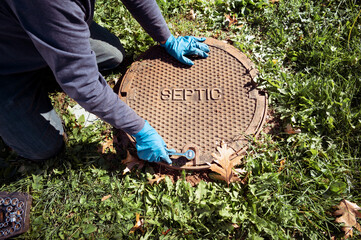
The septic tank is the large, underground container that holds and processes wastewater from your home. Once water enters the septic tank, microscopic bacteria break down solid waste into clear liquid.
Over time, heavier materials settle at the bottom of the tank, forming a sludge layer. Lighter materials float to the top, forming a scum layer. A regular Septic Tank Cleaning keeps these layers from becoming too thick and causing clogging or system failure.
1. Reduces Risk of Disease
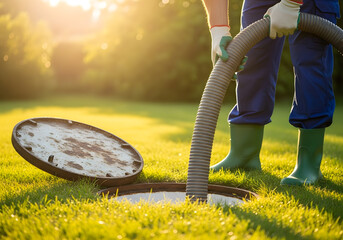
When wastewater enters your septic tank, it’s transformed into simpler substances by microscopic bacteria. These bacteria help the system function properly and efficiently. Solid waste that doesn’t break down forms sludge in the tank. Over time, this sludge can carry over into your drain field lines and strain the soil’s natural filtration abilities. Regular septic tank cleaning removes this buildup to prevent these problems.
When septic systems don’t get routine service, they can become contaminated with disease-causing microbes that cause diarrheal diseases such as amebiasis and amebic dysentery. These diseases are especially dangerous for young children and the elderly. They can also lead to severe dehydration. Septic tank cleaning prevents these diseases by ensuring that the bacteria in the septic tank remain healthy and free of parasites.
Signs that a septic tank needs to be cleaned include slow draining sinks or toilets and a foul smell around the drains and septic tank. If these signs persist, it’s a good idea to contact a professional before the problem worsens.
Getting a septic tank cleaned regularly can save you money in the long run because it prevents costly repairs and extends the life of your septic system. It can also protect your home value, reduce odors and toxic contamination of your yard and property, and save you from health hazards.
It’s important to keep your septic tank healthy by avoiding harsh chemical cleaners that kill the bacteria it relies on for waste breakdown and efficient processing. Instead, try flushing a packet of brewer’s yeast down one toilet in your home one time per month to maintain the level of bacteria in your septic system. A septic tank cleaning also includes opening all access points, inspecting baffles, removing floats and lids, and treating surfaces to control odor and break down sewage residue.
2. Eliminates Clogs
A septic tank stores wastewater until it’s ready to be processed by the leach field, where it naturally disperses into the soil. If the tank becomes overloaded with waste, this can lead to clogs in your drains and sewage back-up into your home. Regular cleanings and a preventive approach to your plumbing can keep the septic system healthy and prevent expensive repairs in the future.
The most common sign of a septic tank issue is slow drains and gurgling sounds in sinks and showers. Foul waste odors are another indicator, as well as standing water around the septic tank or leach field area. If you experience these problems, it’s important to schedule a pumping as soon as possible.
Regular septic tank cleaning ensures that all of the wastewater is effectively broken down, preventing it from entering your house and causing a messy backup. Professionals use high-powered equipment to break up and remove any solid sludge, tree roots, or other obstructions. They can also inspect the septic tank to identify any cracks or other structural damage that need repair.
The septic system relies on natural bacteria to break down the waste it receives, so regular septic tank cleanings help to maintain this balance. Bacteria supplements can be added to the septic system during these visits to support waste breakdown and prevent clogs.
It’s also a good idea to avoid flushing non-biodegradable items, such as wipes and feminine products, into your septic tank or drains. Regularly practicing preventive actions like using a garbage disposal sparingly and installing low-flow toilets can also decrease strain on the septic system and reduce the risk of costly clogs. A septic system that’s properly maintained will extend its lifespan, saving you thousands of dollars in repair bills over the years.
3. Prevents Drain Field Damage
Everything that goes down your home’s drains eventually enters the septic system. While some clogs can be cleared with a plunger or drain snake, others require the help of professional septic technicians. Some common culprits include cooking oil, paper towels, and chemical cleaners.
The septic tank is a large underground container that temporarily stores wastewater from your household. It allows heavier solid waste to settle at the bottom, creating a sludge layer, and lighter materials such as oils rise to the top, creating a clear liquid called effluent. The septic tank also contains beneficial bacteria to break down the waste, ensuring efficient treatment and disposal.
A well-functioning septic system requires an equally efficient drain field. This system is a network of perforated pipes that receive the septic effluent, which is then distributed to surrounding soil layers for further treatment. When this system is clogged or full, untreated wastewater can infiltrate the soil and waterways, posing a health risk to anyone who comes into contact with it. Regular septic tank cleaning prevents the buildup of solid waste that could damage the drain field.
Signs of a full septic tank include slow draining sinks and toilets, foul smells in the yard, and lush grass over the drain field. Preventive measures include avoiding flushing grease, chemicals, or non-biodegradable items down the drain; using septic-safe toilet paper; and spreading out laundry loads to prevent overflows. A septic tank inspection and cleaning helps identify early problems like a full tank and clogged filter, saving you money by preventing more expensive repairs in the future. Schedule a septic tank cleaning today to protect your home and the environment. This is one of the smartest investments you can make for your home.
4. Increases Home Value
While septic pumping and cleaning both remove wastewater and floating debris from your tank, only septic cleaning eliminates stubborn gunk settled on the bottom. A professional technician also inspects your tank during a cleaning, looking for cracks and leaks as well as faulty baffles or filters that could affect effluent flow into the drain field.
Septic tank inspections should be performed before any major real estate transactions or system repairs. Real estate professionals and attorneys can help navigate the complexities of septic systems and ensure that all issues are properly disclosed to potential buyers.
Your septic system is an important feature of your home. It can increase or decrease your property value depending on its condition, maintenance history, and buyer perceptions.
Properly functioning septic tanks are a desirable asset for potential buyers, while clogged or overflowing ones can be a turnoff. Untreated wastewater can infiltrate groundwater and wells, contaminating water sources and posing serious health risks.
The best way to prevent clogs and other costly problems is through routine septic tank pumping and cleaning. With the proper care and attention, your septic system can last for years to come.
Investing in septic tank cleaning and septic system repair can prevent expensive repairs, improve your family’s health, and keep your home value high. By scheduling regular maintenance and taking steps to avoid heavy traffic over the drain field, you can protect your investment and enjoy a safe, comfortable home for many years to come. For added peace of mind, consider a home warranty from HSA to cover the cost of repairs for unexpected breakdowns. Find an agent near you today to learn more about protecting your home.
5. Prevents Emergency Plumbing Calls
When wastewater leaves your home, it enters a septic tank to temporarily store it and process solid waste. Inside, microscopic bacteria break down solid materials and transform them into a clear liquid, called effluent. Heavier solids settle at the bottom, creating a sludge layer. Lighter substances, like oils, rise to the top, creating a scum layer. Regular pumping keeps these layers from building up too thick, which could cause system overflows or backups.
When a septic system experiences problems, like an overflowing tank or clogged drain lines, the contaminants leak into the surrounding soil. If they seep into water sources, like your toilets or kitchen faucets, they contaminate drinking and cooking water. Untreated septic waste can also damage appliances. The only way to prevent this is through regular septic tank cleaning and maintenance.
During a cleaning service, professionals open all access points and inspect all components for signs of malfunction or damage. This includes the baffles, tees, and effluent filters. If they notice any problems, they may use special treatment solutions to eliminate odors, clean deposits, and break down solids. They also check the condition of the drain field for any cracks or saturation.
A septic system that is well-maintained adds to your property value. It also protects your health and the environment. The best way to ensure your septic system remains in good condition is through routine maintenance, including timely pumping and professional inspections. When you notice any problems, call your local septic tank professional right away to schedule a professional cleaning and service. This preventive measure will save you from costly repairs, environmental contamination, and health hazards. Plus, it will help you avoid messy sewage back-ups and reduce the need for emergency plumbing calls.
Visit our Professional Services Blogs
Chris Atkins Lawncare, Atticus Landscaping, Treasure Coast Pressure Wash, Gulf Beach Plumbing, Marlborough Plumbing, Guns And Hoses Pressure Washing, Ambrose Construction, Coral Gables Pressure Washing, Willco Photography, Roofing Akron, Danalogsdon Roofing El Cajon, EC Siding Roofing Windows, Aurora Gutter, American Insurance Source, ECO, etdn, Denison Service League, Roofing Blog, Atlantic Vinyl Windows, Brookshires Fireplaces, JD Advanced Remodeling, Product Judgment, Master Dry Foundation Repair, Moe’s Hip, Elta Patio Paramount, Rock Around The Clock Festival, Learn, Play, Beyond, MoralesT Gardening, Car Window Tinting Perth, Duncan Carpentry, Gatestone Lighting, Mid Missouri Mold Inspections, Stucco Repair Albuquerque, Wausau Siding Hire, Munster Tree Care, Blue Granite Homes, Custom House, CENTRAL OS, Atlanta Pavers, Phillips Law Firm, Brent Ryder Masonry, Walker Construction Drywall Division, RJ Law, Caledon Plumbing, DDS Tech USA, Maine Mortgage Services, Inckpen, Seasons at Rose Creek, Cottonwood Place Dental, Cosmetic Laser 2000