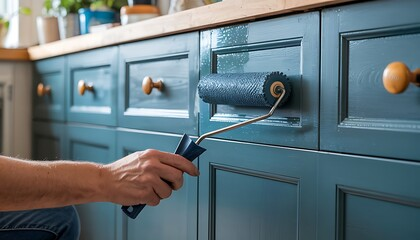
Have you ever walked into your kitchen and felt like it desperately needed an update, only to discover that replacing the cabinets would cost far more than expected? Many homeowners face this exact challenge. Cabinets occupy a large portion of the visual space in a kitchen, bathroom, or laundry room, so their appearance significantly affects the room’s overall look.
Fortunately, a complete replacement is not always necessary. In fact, many cabinets can be transformed through refinishing, allowing homeowners to achieve a fresh, modern appearance without the expense and disruption of installing brand-new cabinetry. Understanding how San Jose Cabinet Refinishing works and whether your cabinets are good candidates can help you make a smart, cost-effective renovation decision.
Can Cabinets Really Be Refinished Instead of Replaced?
The simple answer is yes. Many cabinets can be refinished without being replaced. Cabinet refinishing is a process that restores the appearance of existing cabinets by cleaning, repairing, sanding, staining, painting, and sealing the surfaces. Instead of removing the entire cabinet structure, refinishing focuses on updating and improving what is already in place.
For homeowners whose cabinets are structurally sound but visually outdated, refinishing can provide a dramatic transformation. Existing cabinet boxes, doors, and drawer fronts remain intact while receiving a completely refreshed finish.
This approach can significantly change the appearance of a room while preserving the functionality of the existing cabinetry. Whether the goal is to brighten the space with painted cabinets or highlight natural wood grain with a fresh stain, refinishing offers a practical alternative to replacement.
The success of the project largely depends on the condition and material of the cabinets. When the cabinets remain structurally stable, refinishing often delivers excellent results.
Understanding the Cabinet Refinishing Process
Cabinet refinishing involves several important steps that work together to create a professional and durable finish. The process begins with evaluating the condition of the cabinets to determine whether refinishing is a suitable option.
After inspection, cabinet doors, drawer fronts, and hardware are typically removed. This allows for easier access to all surfaces and helps ensure a more uniform finish.
The next stage involves thoroughly cleaning the cabinets. Over time, kitchen cabinets accumulate grease, cooking residue, dust, and other contaminants. These substances must be removed before refinishing can begin.
Once the cabinets are clean, sanding is performed to eliminate the existing finish and create a smooth surface for the new coating. Any scratches, dents, or minor imperfections are repaired during this stage.
Depending on the desired look, paint or stain is then applied. Multiple coats may be necessary to achieve consistent coverage and color depth. Protective topcoats are often added to increase durability and resistance to everyday wear.
The final step includes reinstalling doors, drawers, and hardware, resulting in cabinets that look significantly newer and more attractive.
Why Homeowners Choose Refinishing Over Replacement
One of the primary reasons homeowners choose refinishing is cost savings. Cabinet replacement can be one of the most expensive aspects of a remodeling project. New cabinetry, installation labor, demolition, and disposal costs can quickly increase the overall budget.
Refinishing allows homeowners to achieve a dramatic visual upgrade while avoiding many of these expenses. Because the existing cabinet framework remains in place, fewer materials and less labor are required.
Another advantage is convenience. Cabinet replacement often involves extensive construction work that can disrupt daily routines for weeks. Refinishing projects are generally completed much faster, minimizing inconvenience and allowing homeowners to enjoy the updated space sooner.
Environmental considerations also play a role. Refinishing extends the lifespan of existing cabinets and reduces the amount of material sent to landfills. By reusing functional cabinetry, homeowners can make a more sustainable renovation choice.
For many households, refinishing offers an ideal balance of affordability, efficiency, and visual impact.
Which Cabinets Are Good Candidates for Refinishing?
Not every cabinet can be successfully refinished, but many are excellent candidates. Solid wood cabinets are among the best options because they respond well to sanding, staining, and painting.
Wood veneer cabinets may also be suitable for refinishing, provided the veneer remains in good condition. Careful preparation is important to avoid damaging the surface during sanding.
Cabinets made from engineered wood products can sometimes be refinished depending on their construction and surface material. A professional assessment can help determine the best approach.
The most important factor is structural integrity. Cabinets with sturdy frames, functioning doors, and minimal water damage often benefit greatly from refinishing. Cosmetic issues such as faded finishes, scratches, discoloration, and outdated colors can usually be addressed through the refinishing process.
If the cabinets are severely damaged, warped, or deteriorated, replacement may be a more practical solution. However, many cabinets that appear old or unattractive are actually excellent candidates for refinishing.
Popular Cabinet Refinishing Options
One of the reasons refinishing has become so popular is the variety of design options available. Homeowners can customize their cabinets to match virtually any interior style.
Painted finishes remain a top choice because they offer endless color possibilities. White cabinets continue to be popular for creating bright and timeless kitchens, while darker shades can introduce sophistication and contrast.
Stained finishes are another common option. Staining enhances the natural beauty of wood grain while allowing homeowners to choose from a wide range of tones and colors.
Some homeowners opt for specialty finishes that create unique visual effects. Techniques such as glazing, distressing, or layered finishes can add depth and character to cabinetry.
Updating cabinet hardware during refinishing can further enhance the transformation. New handles, knobs, and pulls can complement the updated finish and contribute to a more modern appearance.
The flexibility of refinishing allows homeowners to achieve personalized results without replacing their cabinetry.
How Refinishing Improves Kitchen Appearance
Cabinets play a dominant role in kitchen design. Because they occupy so much visual space, even minor cabinet updates can significantly impact the overall appearance of the room.
Refinishing can brighten dark spaces, modernize outdated styles, and create a more cohesive design aesthetic. A fresh finish often makes the entire kitchen feel cleaner, larger, and more inviting.
The transformation extends beyond aesthetics. Updated cabinetry can improve the perceived value of the home and create a stronger first impression for guests and potential buyers.
Many homeowners are surprised by how dramatically refinishing changes the atmosphere of the room. What once appeared dated and worn can become a beautiful focal point that enhances the entire living space.
For those seeking maximum visual improvement without a complete renovation, cabinet refinishing offers a highly effective solution.
How Long Do Refinished Cabinets Last?
The durability of refinished cabinets depends on the quality of materials, preparation techniques, and ongoing maintenance. When completed correctly, refinished cabinets can remain attractive and functional for many years.
Professional preparation is essential because proper cleaning, sanding, and coating application contribute directly to longevity. High-quality paints, stains, and protective finishes provide additional resistance to moisture, scratches, and daily use.
Routine maintenance helps preserve the appearance of refinished cabinets. Gentle cleaning products, prompt removal of spills, and avoiding abrasive materials can help extend the life of the finish.
While no finish lasts forever, refinished cabinets can provide long-term value and performance when properly cared for. Many homeowners enjoy years of improved appearance before considering additional updates.
The durability achieved through refinishing often makes it a worthwhile investment for those looking to maximize the life of their existing cabinetry.
Comparing Refinishing to Full Cabinet Replacement
Refinishing and replacement each have their advantages, but refinishing is often the preferred choice when cabinets remain structurally sound. Replacement may be necessary when cabinets are extensively damaged, poorly designed, or no longer meet storage needs.
For homeowners primarily concerned with appearance, refinishing usually delivers the desired results at a much lower cost. The process preserves existing structures while introducing a completely refreshed look.
Replacement offers greater flexibility for changing layouts and cabinet configurations, but it comes with significantly higher expenses and longer project timelines.
When the cabinet framework remains functional and attractive improvements are the primary goal, refinishing often provides the best balance between cost, convenience, and results.
Understanding the condition of the cabinets and the objectives of the renovation can help determine which option is most appropriate.
Final Thoughts
Yes, cabinets can often be refinished without being replaced, making refinishing one of the most practical and cost-effective home improvement solutions available. By restoring existing cabinetry through cleaning, sanding, painting, staining, and protective finishing, homeowners can dramatically improve the appearance of their kitchens and other living spaces while avoiding the expense and disruption of full replacement. For cabinets that remain structurally sound, refinishing offers an opportunity to achieve a fresh, modern look, increase visual appeal, and extend the lifespan of existing materials. When properly executed, cabinet refinishing can deliver impressive results that transform a room while preserving both budget and resources.