Why You Should Invest in Office Cleaning Services

Keeping up with office cleaning can feel like a never-ending task. That’s why many businesses turn to professional cleaners for help.

Cleaning Services

Studies show that high-touch surfaces in offices such as light switches, phones, toilets, and vending machine buttons harbor disease-causing germs. Commercial cleaning professionals use thorough sanitization procedures to ensure that all spaces are safe for employees. Visit https://www.merrimackcleaning.com/ to learn more.

A clean office is essential for a productive and happy workforce. It also sends a positive message to clients, demonstrating your business’s professionalism and attention to detail. If you’re looking for ways to improve your company’s image, consider investing in professional commercial cleaning services.

Regularly scheduled cleaning of high touch surfaces helps to reduce the spread of germs and bacteria in the workplace. Items such as door handles, light switches and keyboards are hotspots for spreading germs, so they should be disinfected regularly with a disinfectant cleaner. It is also important to keep trash cans emptied and liners replaced, as well as to ensure that all surfaces are wiped down frequently with a disinfectant wipe. In addition, all employees should be provided with alcohol-based hand sanitizer to use throughout the day, especially after touching common surfaces.

While you can train your own staff to perform basic janitorial duties, it is much more efficient and effective to hire a professional cleaning service that specializes in commercial cleaning. They can provide a comprehensive checklist that your employees can follow, reducing the risk of overlooked areas or tasks. Cleaning professionals are also highly experienced in cleaning a wide variety of surfaces, including carpets and hard floors.

When you hire a professional commercial cleaner, they will provide a thorough, detailed cleaning of your entire workspace. They will pay special attention to areas that are used often by multiple people, such as kitchens and receptions. These spaces can quickly become messy and disorganized, but professional cleaners will make sure they are always spotless and tidy.

If you are in need of a reliable and professional commercial cleaning service, contact Health Point Cleaning Solutions today. We have years of experience in cleaning offices, and can create a custom cleaning plan that will suit your needs. We will provide you with a professional, detailed clean that is sure to impress your clients.

Offices, schools and aged care facilities are breeding grounds for germs and disease, so they must be cleaned regularly. However, these environments require specific cleaning and disinfection procedures that are often overlooked by inexperienced janitorial crews. This is why it is crucial to work with a reputable cleaning company that has extensive experience working in these industries.

Decluttering

The cleanliness of your workplace can have a huge impact on the efficiency and morale of your employees. A tidy workspace allows employees to focus on their tasks and eliminates distractions that can cause mistakes and delays in productivity. This is why many companies choose to hire professional janitorial services. Professionals are trained to clean all types of office spaces, ensuring that they leave your company’s work area looking neat and organized. They also use the proper techniques, tools, and schedules to maintain long-term cleanliness.

A clean and tidy workspace boosts employee morale, improves productivity, and promotes a positive image for your company. In addition, regular cleaning prevents the accumulation of germs and bacteria that can cause illness among employees, thereby reducing sick days. Moreover, it extends the lifespan of your office furniture, carpeting, and other equipment.

While there are some cleaning tasks that should be performed on a daily basis, such as wiping down computer desks and tables, other areas need to be cleaned at least once a week. Some of these include sweeping and vacuuming, mopping floors, and disinfectant wipes for the kitchen area/pantry. Some cleaning services even offer green cleaning options, which is a great way to ensure that the chemicals used are safe for your employees and the environment.

Keeping the right cleaning products on hand can make the task of office cleaning much easier for your staff. This can include brooms, dustpans, dish soap, paper towels, and disinfectant wipes. It is best to keep these supplies in a central location that is easily accessible to employees so that they can clean up quickly when needed. In addition, it can be beneficial to provide your employees with a list of specific items that need to be cleaned or sanitized regularly.

Cluttered areas can be breeding grounds for germs, leading to the spread of illnesses and reduced worker productivity. Studies show that workers can be distracted by cluttered work areas and that their performance suffers as a result. Professional janitorial services can clean your office space to help keep germs and allergens at bay, allowing your employees to focus on their jobs.

Health

A clean and disinfected environment is a critical part of business operations. Especially since the beginning of the COVID-19 pandemic, it is more important than ever to have professional cleaning services. Office cleaning services help to prevent the spread of germs that can cause illnesses like colds and flu. A dirty work environment can also make employees feel uncomfortable and reduce their morale. Professional cleaners are experienced in cleaning and can properly disinfect all surfaces to ensure a safe work environment.

When hiring a commercial cleaning company, it is important to find a service that uses green cleaning products and practices. This will minimize the environmental impact of your business and contribute to your sustainability goals. In addition, many professional cleaning companies offer specialized cleaning for specific areas of the workplace such as carpets and windows.

A tidy workspace is essential to productivity and a great first impression for clients and potential partners. It can also improve employee morale and promote a positive company image.

Regular cleaning and disinfection of high-touch areas such as doorknobs, keyboards, and phones will greatly decrease the number of sick days and increase productivity. This will result in more time spent achieving company goals and less money lost due to unscheduled absences.

Professional office cleaners are trained to recognize and properly clean all surfaces to ensure proper health and safety. They have experience in cleaning and disinfecting foodservice and healthcare facilities where strict standards are required. These experts understand the proper cleaning methods to follow to safely and effectively clean all surfaces in the workplace, including electronics, without damage.

A professional cleaning service can also declutter and maintain lobbies, offices, and common spaces to provide a more pleasant and functional work environment. They can also handle all janitorial supplies and equipment, so you don’t have to worry about storing and purchasing the necessary janitorial materials.

The best office cleaning services near me will also be able to offer restocking services at a competitive price, saving you time and money. They will be able to keep your janitorial supplies fully stocked and organized so that you can focus on running your business and achieving your company’s goals.

Safety

Clean environments are important for the safety of employees and visitors. Professional cleaning services are more than just tidying up, they also focus on decluttering and sanitizing high-touch areas such as doorknobs, microwaves, and restrooms to reduce the spread of germs. Regularly cleaning these high-risk areas will keep your team healthy and productive.

Cluttered spaces are breeding grounds for germs and bacteria. In addition, a dirty workspace can reflect poorly on the company and could potentially turn away customers and clients. A professional commercial cleaning service will provide your business with a high-level of cleanliness that will leave a positive first impression on potential customers and clients.

When potential employees and customers enter your office, they will quickly make a judgement about the company based on the state of the space. If the furniture is stained, the carpet is worn out, and there are food crumbs on the floor they may decide to take their business elsewhere. A professional commercial cleaning service will ensure that the first impression made is a good one and that your office is a safe place to work.

In addition to providing a positive first impression, regularly cleaning your office will help to reduce stress levels and improve productivity. A clean and well-organized workplace is a great way to show your employees that you care about them and that the company is successful. This can lead to higher employee retention rates which will save you money on recruitment and training costs.

Regular cleanings will also help to prolong the lifespan of equipment and furniture. Dirt and dust can cause premature wear and tear which will require expensive repairs or replacements. A professionally-clean office will significantly reduce the chances of costly repairs and extend the life of your office equipment.

It is essential to find a commercial cleaning service that specializes in your industry. For example, medical facilities have very strict cleaning standards, while restaurants and other similar establishments require specialized knowledge of food preparation and hygiene. It is also important to choose a cleaning service that uses environmentally friendly products. This will minimize the risk of allergies and respiratory problems in your staff and customers.

How General Contractors Handle Projects

General Contractors Boston is a construction professional that oversees the entire project from start to finish. Their responsibilities include developing a construction budget, negotiating with subcontractors, and ensuring safety standards on the job site.

General Contractors

Build trust with your general contractors to foster open communication and cost-effective solutions. They’ll be able to provide insight into the best materials and processes for your specific project.

When building or renovating a structure, it’s important to have a clear plan before breaking ground. Quality general contractors spend time in a phase called preconstruction to clearly lay out goals, figure out potential challenges and develop a risk management plan. This is done well before proposals are sent, contracts signed or construction work begins. Preconstruction also includes estimating costs and developing a project timeline. Using digital tools for planning and documenting can help streamline this process.

A general contractor’s role is to translate blueprints into physical structures, manage day-to-day job site operations and oversee all other contractors involved in the project. A GC is responsible for hiring subcontractors, procuring materials and supplies, and ensuring that the final product meets all safety regulations.

During the project planning stage, the GC works with the architect and engineers to develop final blueprints and designs for the project. Once the GC has finalized the design, they will bring the blueprints into the procurement stage and begin sourcing materials, equipment and services for the project. During this phase, contingencies should be set in place to address supply chain issues and price volatility.

The GC will also create a detailed work breakdown structure for the project and identify the required materials, equipment, labor and finance needed to complete each task. This helps to ensure that all tasks are completed on time and within budget. A GC can use tools like Gantt charts to create and share a project schedule and keep everyone on track.

A GC may choose to utilize a cost-plus-additional fee contract, where the GC will agree to pay for the actual cost of materials and labor plus an additional fee to cover the GC’s overhead and profit. This type of contract offers greater flexibility but can also lead to project overruns.

The GC will perform the construction work and supervise subcontractors to ensure that all aspects of the project are executed safely, efficiently and according to the client’s vision. They will provide regular progress reports, attend inspections and meet regularly with the Architect, Engineers, Owner and the Project Manager to discuss issues and ensure that changes are implemented promptly.

Contract Negotiation

The contract negotiation process requires the ability to find common ground, but also a firm understanding of your non-negotiables. Whether these include a specific insurance clause or the need to keep your project on schedule, it’s important not to accept terms that significantly disadvantage you. Be willing to walk away if necessary to safeguard your project’s goals, safety standards, and financial integrity.

Construction projects are complex, and GCs deal with all sorts of challenges on a daily basis. They might have to work with a client’s architects to make sure their vision meets building requirements, and they often have to manage scheduling and supply issues. They also handle the red tape that comes with obtaining permits and ensuring the project complies with local laws.

Because of their experience in the industry, GCs know how to build projects that are cost-efficient and compliant with current regulations. They also understand the different materials used in a building, so they can make informed decisions to help clients save money and get the most out of their investment.

General contractors also have relationships with vendors and subcontractors that help them secure discounts on high-quality products and qualified workers. This can help a project stay on budget while reducing delays and maintaining quality standards.

If you’re interested in hiring a general contractor for your next residential or commercial renovation, be sure to research candidates thoroughly. Check out their online reviews, credentials, and professional affiliations to ensure they meet industry standards. Then, interview multiple contractors and ask for references from previous clients to see what their experiences were like working with them. Finally, review their pricing structure to determine if it’s within your budget. If not, be prepared to negotiate the scope of work or find a contractor who’s willing to match your budget. A reputable general contractor should be transparent about their fees and have a strong track record of success in the field. They should also be willing to provide you with a detailed proposal outlining their estimated project costs and timeline.

Subcontractor Management

Many projects require specialized expertise that general contractors and construction managers (GC/CM) do not possess in-house. Subcontractors are brought on to perform these specialized tasks, and their specific skill sets ensure critical components of the project are completed correctly the first time around—avoiding costly rework down the road. However, managing a wide variety of individuals with different skillsets and communication styles can be challenging. Effective subcontractor management strategies include fostering a collaborative culture, promoting transparency, and prioritizing collective problem-solving over assigning blame when issues arise.

As projects progress, balancing a growing number of onsite subcontractors without overwhelming administrative staff can be a challenge. This is especially true if labor shortages are a factor. To maximize productivity, GC/CMs must work with their team members to develop scheduling plans that accommodate everyone’s availability and keep everyone informed of any changes to the plan. This helps avoid conflict and keeps projects on track.

When bringing on new subcontractors, it is crucial to take the time to review their past performance and assess how they will fit with the GC/CM’s operational, quality, and safety values and expectations. Additionally, a thorough prequalification process is vital to ensuring that any potential issues are resolved before they negatively impact a project.

Using subcontractor management software can help streamline these processes by centralizing all of these elements into one platform that allows for a seamless onboarding process. This can be especially helpful when it comes to managing compliance, as the landscape of legal regulations is complex and even the smallest oversight could have devastating consequences. By using a subcontractor management solution, GC/CMs can ensure that all relevant information is readily available and accessible to the entire team.

Streamlined invoice and payment processing is another key feature that a subcontractor management solution can provide. This can reduce the amount of manual work required to process payments, which helps to minimize errors and delays. Additionally, solutions that include automated COI management can help GC/CMs ensure that their subcontractors are up-to-date on all of their compliance requirements by automatically tracking and flagging expirations.

Job Site Management

Whether working on an energy project or building the foundation for an office complex, general contractors have to manage job site management on every construction project. This includes access control, safety compliance, worker training and documentation, project schedules, work order approvals, payroll processing, dispute resolution and more. The goal of good job site management is to keep the project on track and moving forward while minimizing legal risk and cost overruns.

One common issue occurs when a contractor mismanages the general conditions budget by overestimating costs or underestimating administrative workloads. This can lead to budget overruns, delayed payments or even disputes. To avoid these issues, contractors should use a smart planning process backed by construction contract management software to clearly define and accurately estimate both fixed and variable general condition expenses.

When preparing a general conditions estimate, the contractor should analyze the real operational needs of each project. For example, a high-rise urban build will have different staffing requirements than a suburban warehouse and may need more temporary services. The general contractor should also consider contract type, as lump sum or cost-plus arrangements can impact the amount of detail required for estimating.

Contractors should then compare their estimated expenses to the actual costs incurred throughout the project to identify overages. They should be ready to respond quickly to mitigate additional expense, such as adjusting staffing levels or reducing the number of temporary services. This can prevent the need for costly changes later in the project or the need to negotiate with the owner for recovery.

Finally, a general contractor should have a clear plan for managing change orders and ensuring they are properly documented and managed. This can be challenging for some contractors, especially in competitive markets where the pressure to submit low bids makes it tempting to overlook administrative demands.

Essential Insights on Efficient Septic Tank Pumping Practices

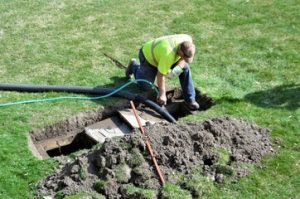
Septic Tank Pumping Fresno keeps wastewater systems functional and safe. Regular maintenance prevents backups and overflows. Neglecting tanks leads to costly repairs. Timely pumping protects both property and health.

Septic Tank

Septic tanks separate solids from liquids effectively. Solids settle at the bottom while liquids flow to the drain field. Bacteria naturally break down waste. Proper pumping ensures solids do not clog pipes.

Frequency of pumping depends on household size. Larger families fill tanks faster than smaller ones. Heavy water usage accelerates sludge accumulation. Professionals recommend regular inspections to determine timing.

Signs of a full septic tank include slow drains and foul odors. Backups in sinks or toilets indicate problems. Unpleasant smells near the tank area are a warning. Addressing issues early prevents major emergencies.

Modern septic pumping uses specialized vacuum trucks. High-capacity hoses remove sludge efficiently. Tanks are cleaned thoroughly without damaging components. Technology ensures safety and speed.

Grease and non-biodegradable items can harm tanks. Cooking oils and wipes should never enter the system. Such materials cause clogs and reduce bacterial activity. Proper disposal extends tank life.

Septic systems rely on healthy bacteria for breakdown. Chemical cleaners can disrupt this balance. Enzymes or mild detergents are safer alternatives. Pumping restores optimal conditions.

Drain fields require attention during pumping. Excessive solids may reach and clog the field. Professionals inspect lines to prevent overflow. Maintaining proper flow extends system longevity.

Pumping also includes inspecting baffles and pipes. Baffles control flow and prevent solids from leaving the tank. Damaged or clogged baffles reduce efficiency. Timely replacement avoids failures.

Seasonal considerations affect septic pumping. Frozen ground or heavy rains may complicate access. Scheduling during dry conditions simplifies work. Proper timing ensures complete cleaning.

Environmental benefits accompany septic maintenance. Preventing leaks avoids soil contamination. Local water supplies remain safe. Responsible pumping practices protect ecosystems.

Emergency pumping may be required after heavy rainfall or flooding. Tanks may fill rapidly or overflow. Quick intervention prevents property damage. Professionals handle urgent cases efficiently.

Tank size determines the pumping method. Smaller tanks may require portable equipment. Larger tanks use trucks and high-capacity vacuums. Correct technique prevents structural damage.

Regular inspections reduce the risk of costly repairs. Technicians check sludge levels and system integrity. Minor issues are addressed promptly. Prevention extends the system’s lifespan.

Septic additives can sometimes assist bacterial activity. Natural enzymes accelerate waste breakdown. They support maintenance between pumpings. Additives are not a replacement for regular service.

Maintenance planning involves record-keeping. Homeowners should track pumping dates and inspections. Records help schedule future service accurately. Consistent documentation prevents oversight.

Odor control is important during pumping. Sealed equipment prevents exposure. Professionals wear protective gear. Proper handling ensures safety and comfort.

Pumping schedules vary by usage. Vacation homes or low-occupancy residences fill slower. Commercial sites may require more frequent service. Usage patterns guide timing decisions.

Tank materials influence maintenance techniques. Concrete, fiberglass, and plastic each require different handling. Professionals adapt methods accordingly. Material integrity ensures proper function.

Pumping reduces risk of structural damage. Overflow or untreated waste can erode soil. Foundations may be affected if tanks fail. Regular cleaning preserves surrounding areas.

Technological advancements improve efficiency. Sensors can monitor sludge levels remotely. Early warnings prevent overflows. Data-driven maintenance optimizes scheduling.

Homeowner education supports septic health. Avoid flushing harsh chemicals or excessive water. Grease, diapers, and plastics are harmful. Awareness complements professional service.

Pump trucks are equipped for safe transportation of waste. Sludge is disposed of following environmental regulations. Contamination risks are minimized. Proper disposal protects communities.

Septic systems in older homes may require more frequent attention. Aging pipes and tanks may develop leaks. Increased inspection prevents sudden failures. Timely pumping adapts to system conditions.

Seasonal water use affects tank accumulation. Irrigation, laundry, and showers add volume. Monitoring usage helps predict pumping needs. Balance prevents overloading the system.

Professional pumping includes sludge measurement. Technicians evaluate tank capacity and fill levels. This ensures complete removal. Incomplete pumping can reduce effectiveness.

Proper access to the tank is necessary. Lids must be exposed and intact. Excavation may be required for buried tanks. Safe entry allows thorough cleaning.

Pump frequency supports drain field health. Accumulated solids entering the field can clog soil. Cleaning prevents leach line failure. Functioning drain fields extend system life.

Septic pumping also reduces odor issues. Accumulated waste produces strong smells. Removing sludge minimizes exposure. Homes remain comfortable and sanitary.

Preventive maintenance avoids environmental hazards. Overflow or leaks can contaminate groundwater. Pumping reduces the risk of pathogen spread. Environmental protection is a key priority.

Chemical disposal regulations impact pumping procedures. Waste is treated according to safety guidelines. Improper disposal can harm ecosystems. Licensed professionals ensure compliance.

Pumping costs depend on tank size and access difficulty. Larger tanks require more time and equipment. Accessibility affects labor and efficiency. Planning prevents unexpected expenses.

Homeowners should pair pumping with inspections. Checking baffles, pipes, and lids ensures overall system health. Minor repairs are more affordable than full replacements. Proactive care is cost-effective.

Proper equipment prevents accidents. Vacuum hoses, trucks, and safety gear minimize exposure to waste. Training ensures safe operation. Professionals prioritize both worker and homeowner safety.

Emergency response services handle sudden backups. Overflowing tanks threaten property and health. Rapid action reduces damage and odor. Experienced crews resolve problems efficiently.

Sludge management contributes to sustainability. Proper treatment reduces environmental contamination. Treated material can be repurposed in certain applications. Waste handling is regulated for safety.

Tank capacity calculations help predict pump timing. Household size, water use, and occupancy are factors. Regular monitoring prevents system failure. Data guides maintenance decisions.

Inspections identify leaks or cracks in tanks. Early detection prevents costly replacement. Small repairs restore system integrity. Pumping ensures consistent performance.

Septic tank pumping also supports long-term investment. Homes with maintained systems retain value. Buyers prefer properties with documented service. Longevity and functionality are appealing.

Professional crews ensure efficient service. Training, experience, and equipment enable thorough cleaning. Sludge is removed safely. Homeowners benefit from reliable maintenance.

Water conservation complements septic health. Reducing water volume extends time between pumping. Efficient fixtures decrease system strain. Sustainable usage supports tank longevity.

Technological integration improves management. Sensors, alarms, and remote monitoring enhance efficiency. Early warnings prevent overflows. Data-driven strategies optimize performance.

Routine pumping preserves sanitation. Waste is removed before it becomes a hazard. Odors and backups are avoided. Regular maintenance supports health and comfort.

Septic systems in high-density areas require special care. Shared drain fields increase risk of contamination. Frequent inspections are essential. Pumping schedules are adjusted accordingly.

Environmental regulations dictate handling of pumped waste. Proper transport and disposal prevent contamination. Professionals follow legal guidelines. Community safety is maintained.

Seasonal considerations guide maintenance. Wet seasons increase tank load. Dry seasons improve accessibility. Timing ensures effective cleaning.

Tank pumping preserves structural integrity. Excessive pressure from full tanks damages components. Removal prevents cracks and leaks. Proper care avoids costly repairs.

Homeowner engagement improves outcomes. Awareness of water usage and safe practices complements professional service. Education reduces risk of improper disposal. Cooperation enhances system lifespan.

Septic tank pumping ensures long-term reliability. Regular service, inspections, and preventive care maintain performance. Systems remain efficient, sanitary, and safe. Professional maintenance safeguards both property and the environment.

Navigation