Author: Keisha Kline

How Septic Tank Cleaning Prevents Costly Repairs

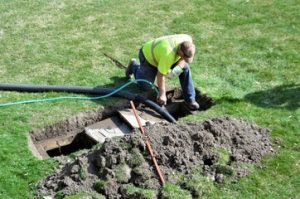
The septic tank is the large, underground container that holds and processes wastewater from your home. Once water enters the septic tank, microscopic bacteria break down solid waste into clear liquid.

Over time, heavier materials settle at the bottom of the tank, forming a sludge layer. Lighter materials float to the top, forming a scum layer. A regular Septic Tank Cleaning Brighton MI keeps these layers from becoming too thick and causing clogging or system failure.

1. Reduces Risk of Disease

Septic Tank Cleaning

When wastewater enters your septic tank, it’s transformed into simpler substances by microscopic bacteria. These bacteria help the system function properly and efficiently. Solid waste that doesn’t break down forms sludge in the tank. Over time, this sludge can carry over into your drain field lines and strain the soil’s natural filtration abilities. Regular septic tank cleaning removes this buildup to prevent these problems.

When septic systems don’t get routine service, they can become contaminated with disease-causing microbes that cause diarrheal diseases such as amebiasis and amebic dysentery. These diseases are especially dangerous for young children and the elderly. They can also lead to severe dehydration. Septic tank cleaning prevents these diseases by ensuring that the bacteria in the septic tank remain healthy and free of parasites.

Signs that a septic tank needs to be cleaned include slow draining sinks or toilets and a foul smell around the drains and septic tank. If these signs persist, it’s a good idea to contact a professional before the problem worsens.

Getting a septic tank cleaned regularly can save you money in the long run because it prevents costly repairs and extends the life of your septic system. It can also protect your home value, reduce odors and toxic contamination of your yard and property, and save you from health hazards.

It’s important to keep your septic tank healthy by avoiding harsh chemical cleaners that kill the bacteria it relies on for waste breakdown and efficient processing. Instead, try flushing a packet of brewer’s yeast down one toilet in your home one time per month to maintain the level of bacteria in your septic system. A septic tank cleaning also includes opening all access points, inspecting baffles, removing floats and lids, and treating surfaces to control odor and break down sewage residue.

2. Eliminates Clogs

A septic tank stores wastewater until it’s ready to be processed by the leach field, where it naturally disperses into the soil. If the tank becomes overloaded with waste, this can lead to clogs in your drains and sewage back-up into your home. Regular cleanings and a preventive approach to your plumbing can keep the septic system healthy and prevent expensive repairs in the future.

The most common sign of a septic tank issue is slow drains and gurgling sounds in sinks and showers. Foul waste odors are another indicator, as well as standing water around the septic tank or leach field area. If you experience these problems, it’s important to schedule a pumping as soon as possible.

Regular septic tank cleaning ensures that all of the wastewater is effectively broken down, preventing it from entering your house and causing a messy backup. Professionals use high-powered equipment to break up and remove any solid sludge, tree roots, or other obstructions. They can also inspect the septic tank to identify any cracks or other structural damage that need repair.

The septic system relies on natural bacteria to break down the waste it receives, so regular septic tank cleanings help to maintain this balance. Bacteria supplements can be added to the septic system during these visits to support waste breakdown and prevent clogs.

It’s also a good idea to avoid flushing non-biodegradable items, such as wipes and feminine products, into your septic tank or drains. Regularly practicing preventive actions like using a garbage disposal sparingly and installing low-flow toilets can also decrease strain on the septic system and reduce the risk of costly clogs. A septic system that’s properly maintained will extend its lifespan, saving you thousands of dollars in repair bills over the years.

3. Prevents Drain Field Damage

Everything that goes down your home’s drains eventually enters the septic system. While some clogs can be cleared with a plunger or drain snake, others require the help of professional septic technicians. Some common culprits include cooking oil, paper towels, and chemical cleaners.

The septic tank is a large underground container that temporarily stores wastewater from your household. It allows heavier solid waste to settle at the bottom, creating a sludge layer, and lighter materials such as oils rise to the top, creating a clear liquid called effluent. The septic tank also contains beneficial bacteria to break down the waste, ensuring efficient treatment and disposal.

A well-functioning septic system requires an equally efficient drain field. This system is a network of perforated pipes that receive the septic effluent, which is then distributed to surrounding soil layers for further treatment. When this system is clogged or full, untreated wastewater can infiltrate the soil and waterways, posing a health risk to anyone who comes into contact with it. Regular septic tank cleaning prevents the buildup of solid waste that could damage the drain field.

Signs of a full septic tank include slow draining sinks and toilets, foul smells in the yard, and lush grass over the drain field. Preventive measures include avoiding flushing grease, chemicals, or non-biodegradable items down the drain; using septic-safe toilet paper; and spreading out laundry loads to prevent overflows. A septic tank inspection and cleaning helps identify early problems like a full tank and clogged filter, saving you money by preventing more expensive repairs in the future. Schedule a septic tank cleaning today to protect your home and the environment. This is one of the smartest investments you can make for your home.

4. Increases Home Value

While septic pumping and cleaning both remove wastewater and floating debris from your tank, only septic cleaning eliminates stubborn gunk settled on the bottom. A professional technician also inspects your tank during a cleaning, looking for cracks and leaks as well as faulty baffles or filters that could affect effluent flow into the drain field.

Septic tank inspections should be performed before any major real estate transactions or system repairs. Real estate professionals and attorneys can help navigate the complexities of septic systems and ensure that all issues are properly disclosed to potential buyers.

Your septic system is an important feature of your home. It can increase or decrease your property value depending on its condition, maintenance history, and buyer perceptions.

Properly functioning septic tanks are a desirable asset for potential buyers, while clogged or overflowing ones can be a turnoff. Untreated wastewater can infiltrate groundwater and wells, contaminating water sources and posing serious health risks.

The best way to prevent clogs and other costly problems is through routine septic tank pumping and cleaning. With the proper care and attention, your septic system can last for years to come.

Investing in septic tank cleaning and septic system repair can prevent expensive repairs, improve your family’s health, and keep your home value high. By scheduling regular maintenance and taking steps to avoid heavy traffic over the drain field, you can protect your investment and enjoy a safe, comfortable home for many years to come. For added peace of mind, consider a home warranty from HSA to cover the cost of repairs for unexpected breakdowns. Find an agent near you today to learn more about protecting your home.

5. Prevents Emergency Plumbing Calls

When wastewater leaves your home, it enters a septic tank to temporarily store it and process solid waste. Inside, microscopic bacteria break down solid materials and transform them into a clear liquid, called effluent. Heavier solids settle at the bottom, creating a sludge layer. Lighter substances, like oils, rise to the top, creating a scum layer. Regular pumping keeps these layers from building up too thick, which could cause system overflows or backups.

When a septic system experiences problems, like an overflowing tank or clogged drain lines, the contaminants leak into the surrounding soil. If they seep into water sources, like your toilets or kitchen faucets, they contaminate drinking and cooking water. Untreated septic waste can also damage appliances. The only way to prevent this is through regular septic tank cleaning and maintenance.

During a cleaning service, professionals open all access points and inspect all components for signs of malfunction or damage. This includes the baffles, tees, and effluent filters. If they notice any problems, they may use special treatment solutions to eliminate odors, clean deposits, and break down solids. They also check the condition of the drain field for any cracks or saturation.

A septic system that is well-maintained adds to your property value. It also protects your health and the environment. The best way to ensure your septic system remains in good condition is through routine maintenance, including timely pumping and professional inspections. When you notice any problems, call your local septic tank professional right away to schedule a professional cleaning and service. This preventive measure will save you from costly repairs, environmental contamination, and health hazards. Plus, it will help you avoid messy sewage back-ups and reduce the need for emergency plumbing calls.

Visit our Professional Services Blogs

Chris Atkins Lawncare, Atticus Landscaping, Treasure Coast Pressure Wash, Gulf Beach Plumbing, Marlborough Plumbing, Guns And Hoses Pressure Washing, Ambrose Construction, Coral Gables Pressure Washing, Willco Photography, Roofing Akron, Danalogsdon Roofing El Cajon, EC Siding Roofing Windows, Aurora Gutter, American Insurance Source, ECO, etdn, Denison Service League,  Roofing Blog, Atlantic Vinyl Windows, Brookshires Fireplaces, JD Advanced Remodeling, Product Judgment, Master Dry Foundation Repair, Moe’s Hip, Elta Patio Paramount, Rock Around The Clock Festival, Learn, Play, Beyond, MoralesT Gardening, Car Window Tinting Perth, Duncan Carpentry, Gatestone Lighting, Mid Missouri Mold Inspections, Stucco Repair Albuquerque, Wausau Siding Hire, Munster Tree Care, Blue Granite Homes, Custom House, CENTRAL OS, Atlanta Pavers, Phillips Law Firm, Brent Ryder MasonryWalker Construction Drywall Division, RJ Law, Caledon Plumbing, DDS Tech USA, Maine Mortgage Services, Inckpen, Seasons at Rose Creek, Cottonwood Place Dental, Cosmetic Laser 2000 

How to Keep Your Air Conditioner Running Smoothly

Your air conditioner keeps your home or business cool. Like other appliances in your home, it needs regular maintenance to keep it running smoothly.

Several common AC problems are easy to fix yourself. You can check out the breaker box and clean drain ports and other parts of the system. Contact Air Conditioning Repair Round Rock TX for professional help.

hvac

1. Capacitors

Capacitors play a vital role in the smooth operation of your air conditioning system. They provide the electrical pulse needed to trigger other air conditioning components, such as the fan motor and compressor. Unfortunately, a capacitor can go bad. In the event that this occurs, you should contact your local HVAC repair specialist to diagnose and replace the capacitor.

A capacitor consists of two conductive plates separated by a dielectric material such as glass, ceramic, or paper. The surface area of the plates and the distance between them determines the capacitance. The greater the surface area and the closer the plates are together, the higher the capacitance. The dielectric material also impacts the capacitance as different materials have different permittivity values.

While a capacitor can last for up to ten years, over time and under heavy electrical loads, they will begin to wear down. Various factors may contribute to this, including environmental factors such as humidity, dust, and corrosive chemicals. Additionally, manufacturing defects or incorrect installation may result in premature failure.

One of the most common signs that a capacitor is going bad is warm air blowing from your vents, though not all AC units experience this symptom. Other symptoms of a failing capacitor include clicking and humming sounds that may come from the access panel.

Ideally, you should turn off the power to your capacitor at the circuit breaker and visually inspect it. Check for swelling or leaking, which are clear indications that the capacitor is nearing the end of its lifespan.

You should also test the capacitor with a multimeter, which will allow you to see if the capacitance value is significantly lower than the rated value printed on its label. Inspecting the outside of the capacitor for dirt buildup or misalignment is important as well. Loose connections and corrosion may require tightening or replacement to reduce the likelihood of failure.

Despite their small size, a capacitor can contain up to 600 volts of electricity. This makes it dangerous to handle without the proper training and equipment. Your local HVAC technician has the specialized skills and tools necessary to safely remove, install, and test a capacitor.

2. Contactor

A contactor is like a switch in that it can turn power on or off but instead of being mechanically operated it uses an electromagnet (or in some cases compressed air) to make and break the connection. It’s usually built of better materials than a relay to handle the high power load. A common problem with them is contact arcing between the copper alloys that coat the contacts (typically referred to as A1 and A2). This can be caused by excessive inrush currents, unstable control voltages or too low transition times between high peak currents. It can also be the result of normal wear and tear or the results of dirt, dust or moisture ingress into the air gap around the electromagnetic coil.

Each time your compressor starts, the contact points snap together through magnetic action and pull several times the normal running current of your unit. This creates a small amount of electric arcing between the points every time they do it and over time the points can become pitted. This prevents the full surface of the contact points from making contact and they can no longer supply electricity to your compressor and other components.

3. Blower Motor

A working blower motor is essential to your AC system because it’s the one responsible for pushing cooled air through your vents. If the blower motor starts to malfunction, it can cause other components in your system to overwork and break down. This can increase your energy bills and shorten the lifespan of your air conditioning unit. Fortunately, you can prevent blower motor issues by staying on top of your HVAC maintenance routine.

The most common signs that your blower motor isn’t working properly include strange noises, weak or no airflow from your vents, and a failure to cycle. Unusual sounds can hint at physical damage to the motor or fan, and some noises (like rattling) indicate specific problems like a broken belt. Other sounds may point to an electrical problem, such as a failing ground connection that disrupts electricity flow and causes overheating.

Modern blower motors have electronics that prevent them from overheating, so they shut down to avoid self-inflicted damage. However, if you have an older model, overheating can lead to the motor burning out. If your blower motor burns out, it’ll have to be replaced.

In some cases, your technician may be able to repair your blower motor rather than replace it entirely. A few quick fixes can often be a more cost-effective option, such as replacing the blower motor belt or lubricating the bearings. If the blower motor is beyond repair, your technician will replace it with a high-quality part and test the system to ensure proper airflow and cooling performance.

Keeping up with your regular HVAC maintenance will help you keep your blower motor running smoothly throughout the summer. Your technician can perform a variety of maintenance tasks, including inspecting the blower motor and cleaning it as needed. They can also look for other signs of trouble, such as a hot or burning smell, which could indicate an electrical fire and require immediate attention. They can even help you optimize your airflow with duct sealing and replacement of the air filter. For a more thorough and preventive inspection, contact Alvarez Plumbing and AC to discuss your air conditioner maintenance needs.

4. Thermostat

A thermostat is one of the most important parts of your home’s HVAC system. It controls the heating and cooling systems, which use up the most energy in a house and have the biggest impact on comfort. So, if your thermostat isn’t working correctly, it could be causing expensive energy bills and an uncomfortable indoor environment.

Thermostats continuously monitor indoor temperatures and signal the HVAC air conditioning system to activate or deactivate based on your settings. They do this using a variety of sensors and internal components. Different types of thermostats have slightly different mechanisms, but they all achieve the same outcome: accurate temperature regulation.

If your thermostat isn’t working properly, it can cause the air conditioner to run constantly. This can cause the HVAC system to wear out quickly and increase your energy bill. It can also cause an uncomfortable indoor environment for you and your family.

In some cases, your thermostat may need to be replaced. A new thermostat will provide you with many benefits, including programmable settings and wifi capabilities that allow you to control your thermostat from anywhere. In addition, it will save you money on your energy bill.

Some signs that your thermostat needs to be replaced include a display that isn’t working, a lack of power, or frequent cycling between the on and off positions. It can also be difficult to maintain a specific setting or it may suddenly change the temperature settings with no explanation.

While some people try to fix their thermostats on their own, it is important to understand how the device works and the risks involved before trying to replace it on your own. There are some simple things you can do, such as replacing the batteries, to test your thermostat’s functionality.

Essential Insights on Efficient Septic Tank Pumping Practices

Septic Tank Pumping Fresno keeps wastewater systems functional and safe. Regular maintenance prevents backups and overflows. Neglecting tanks leads to costly repairs. Timely pumping protects both property and health.

Septic Tank

Septic tanks separate solids from liquids effectively. Solids settle at the bottom while liquids flow to the drain field. Bacteria naturally break down waste. Proper pumping ensures solids do not clog pipes.

Frequency of pumping depends on household size. Larger families fill tanks faster than smaller ones. Heavy water usage accelerates sludge accumulation. Professionals recommend regular inspections to determine timing.

Signs of a full septic tank include slow drains and foul odors. Backups in sinks or toilets indicate problems. Unpleasant smells near the tank area are a warning. Addressing issues early prevents major emergencies.

Modern septic pumping uses specialized vacuum trucks. High-capacity hoses remove sludge efficiently. Tanks are cleaned thoroughly without damaging components. Technology ensures safety and speed.

Grease and non-biodegradable items can harm tanks. Cooking oils and wipes should never enter the system. Such materials cause clogs and reduce bacterial activity. Proper disposal extends tank life.

Septic systems rely on healthy bacteria for breakdown. Chemical cleaners can disrupt this balance. Enzymes or mild detergents are safer alternatives. Pumping restores optimal conditions.

Drain fields require attention during pumping. Excessive solids may reach and clog the field. Professionals inspect lines to prevent overflow. Maintaining proper flow extends system longevity.

Pumping also includes inspecting baffles and pipes. Baffles control flow and prevent solids from leaving the tank. Damaged or clogged baffles reduce efficiency. Timely replacement avoids failures.

Seasonal considerations affect septic pumping. Frozen ground or heavy rains may complicate access. Scheduling during dry conditions simplifies work. Proper timing ensures complete cleaning.

Environmental benefits accompany septic maintenance. Preventing leaks avoids soil contamination. Local water supplies remain safe. Responsible pumping practices protect ecosystems.

Emergency pumping may be required after heavy rainfall or flooding. Tanks may fill rapidly or overflow. Quick intervention prevents property damage. Professionals handle urgent cases efficiently.

Tank size determines the pumping method. Smaller tanks may require portable equipment. Larger tanks use trucks and high-capacity vacuums. Correct technique prevents structural damage.

Regular inspections reduce the risk of costly repairs. Technicians check sludge levels and system integrity. Minor issues are addressed promptly. Prevention extends the system’s lifespan.

Septic additives can sometimes assist bacterial activity. Natural enzymes accelerate waste breakdown. They support maintenance between pumpings. Additives are not a replacement for regular service.

Maintenance planning involves record-keeping. Homeowners should track pumping dates and inspections. Records help schedule future service accurately. Consistent documentation prevents oversight.

Odor control is important during pumping. Sealed equipment prevents exposure. Professionals wear protective gear. Proper handling ensures safety and comfort.

Pumping schedules vary by usage. Vacation homes or low-occupancy residences fill slower. Commercial sites may require more frequent service. Usage patterns guide timing decisions.

Tank materials influence maintenance techniques. Concrete, fiberglass, and plastic each require different handling. Professionals adapt methods accordingly. Material integrity ensures proper function.

Pumping reduces risk of structural damage. Overflow or untreated waste can erode soil. Foundations may be affected if tanks fail. Regular cleaning preserves surrounding areas.

Technological advancements improve efficiency. Sensors can monitor sludge levels remotely. Early warnings prevent overflows. Data-driven maintenance optimizes scheduling.

Homeowner education supports septic health. Avoid flushing harsh chemicals or excessive water. Grease, diapers, and plastics are harmful. Awareness complements professional service.

Pump trucks are equipped for safe transportation of waste. Sludge is disposed of following environmental regulations. Contamination risks are minimized. Proper disposal protects communities.

Septic systems in older homes may require more frequent attention. Aging pipes and tanks may develop leaks. Increased inspection prevents sudden failures. Timely pumping adapts to system conditions.

Seasonal water use affects tank accumulation. Irrigation, laundry, and showers add volume. Monitoring usage helps predict pumping needs. Balance prevents overloading the system.

Professional pumping includes sludge measurement. Technicians evaluate tank capacity and fill levels. This ensures complete removal. Incomplete pumping can reduce effectiveness.

Proper access to the tank is necessary. Lids must be exposed and intact. Excavation may be required for buried tanks. Safe entry allows thorough cleaning.

Pump frequency supports drain field health. Accumulated solids entering the field can clog soil. Cleaning prevents leach line failure. Functioning drain fields extend system life.

Septic pumping also reduces odor issues. Accumulated waste produces strong smells. Removing sludge minimizes exposure. Homes remain comfortable and sanitary.

Preventive maintenance avoids environmental hazards. Overflow or leaks can contaminate groundwater. Pumping reduces the risk of pathogen spread. Environmental protection is a key priority.

Chemical disposal regulations impact pumping procedures. Waste is treated according to safety guidelines. Improper disposal can harm ecosystems. Licensed professionals ensure compliance.

Pumping costs depend on tank size and access difficulty. Larger tanks require more time and equipment. Accessibility affects labor and efficiency. Planning prevents unexpected expenses.

Homeowners should pair pumping with inspections. Checking baffles, pipes, and lids ensures overall system health. Minor repairs are more affordable than full replacements. Proactive care is cost-effective.

Proper equipment prevents accidents. Vacuum hoses, trucks, and safety gear minimize exposure to waste. Training ensures safe operation. Professionals prioritize both worker and homeowner safety.

Emergency response services handle sudden backups. Overflowing tanks threaten property and health. Rapid action reduces damage and odor. Experienced crews resolve problems efficiently.

Sludge management contributes to sustainability. Proper treatment reduces environmental contamination. Treated material can be repurposed in certain applications. Waste handling is regulated for safety.

Tank capacity calculations help predict pump timing. Household size, water use, and occupancy are factors. Regular monitoring prevents system failure. Data guides maintenance decisions.

Inspections identify leaks or cracks in tanks. Early detection prevents costly replacement. Small repairs restore system integrity. Pumping ensures consistent performance.

Septic tank pumping also supports long-term investment. Homes with maintained systems retain value. Buyers prefer properties with documented service. Longevity and functionality are appealing.

Professional crews ensure efficient service. Training, experience, and equipment enable thorough cleaning. Sludge is removed safely. Homeowners benefit from reliable maintenance.

Water conservation complements septic health. Reducing water volume extends time between pumping. Efficient fixtures decrease system strain. Sustainable usage supports tank longevity.

Technological integration improves management. Sensors, alarms, and remote monitoring enhance efficiency. Early warnings prevent overflows. Data-driven strategies optimize performance.

Routine pumping preserves sanitation. Waste is removed before it becomes a hazard. Odors and backups are avoided. Regular maintenance supports health and comfort.

Septic systems in high-density areas require special care. Shared drain fields increase risk of contamination. Frequent inspections are essential. Pumping schedules are adjusted accordingly.

Environmental regulations dictate handling of pumped waste. Proper transport and disposal prevent contamination. Professionals follow legal guidelines. Community safety is maintained.

Seasonal considerations guide maintenance. Wet seasons increase tank load. Dry seasons improve accessibility. Timing ensures effective cleaning.

Tank pumping preserves structural integrity. Excessive pressure from full tanks damages components. Removal prevents cracks and leaks. Proper care avoids costly repairs.

Homeowner engagement improves outcomes. Awareness of water usage and safe practices complements professional service. Education reduces risk of improper disposal. Cooperation enhances system lifespan.

Septic tank pumping ensures long-term reliability. Regular service, inspections, and preventive care maintain performance. Systems remain efficient, sanitary, and safe. Professional maintenance safeguards both property and the environment.

Navigation