Author: Craig Mills

How to Reduce Your Plumbing Cost

Visit Website

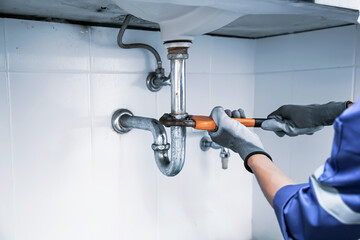
Plumbing costs vary widely based on location, job complexity, materials, and more. However, there are some things you can do to reduce your plumbing bill.

Plan your repairs carefully. If possible, book non-emergency repairs during business hours to minimize labor costs. Also, combining multiple small tasks into one service call can reduce overall labor fees. Visit Website for more details.

Cost of Emergency Repairs

A plumbing emergency can be a major headache. From a burst pipe to a sewer backup, these emergencies are often costly and require professional help. However, homeowners can avoid emergency repairs by taking a proactive approach and conducting routine maintenance to reduce the risk of issues.

In this blog post, we will examine the various factors that influence the cost of emergency plumbing services. We’ll also provide tips on how to reduce the costs of these services by identifying potential savings and negotiating rates with plumbers.

Plumbing emergencies are costly and can threaten the safety of a house’s occupants. The most common issues include no water supply, clogged drains, and sewer line backups. These problems typically require emergency plumbing services, as they can cause severe water damage and pose serious health risks if left untreated.

The cost of an emergency plumbing service varies depending on the issue and the plumber’s location. For example, a sewer backup requires specialized tools and equipment that raise the overall price. The cost of a plumber’s service can also increase if the plumbing problem is in a difficult-to-reach area or needs to be repaired using more invasive methods.

Other factors that influence the cost of an emergency plumbing service are its complexity and urgency. For instance, a simple clog is less expensive than a serious sewer backup or a burst pipe. Additionally, services performed during holidays, weekends, or at night are usually more expensive than those provided during the weekday.

To avoid paying more for emergency plumbing services, it’s important to ask the plumber for a detailed quote before agreeing to any work. This will help you understand the labor and parts that are included in the price and avoid any surprise charges. In addition, it’s a good idea to use the same plumber for both routine plumbing maintenance and emergency plumbing services. This can save money, as the plumber may be more willing to offer a discount for loyal customers.

It’s also important to remember that the most effective way to reduce the cost of emergency plumbing services is to prevent them from occurring in the first place. Regular maintenance and annual inspections can catch issues before they escalate, saving you time and money in the long run.

Cost of a Single Repair

When it comes to plumbing repairs, the cost can vary depending on the type and severity of the problem. Smaller jobs like unclogging drains or fixing leaky faucets generally cost $125 to $350. However, larger repair jobs such as repairing water line leaks or sewer line repairs can be much more expensive. In some cases, if the issue is urgent, you may be charged higher emergency rates.

The average hourly rate for plumbers is around $105. However, this can be higher or lower depending on the location and the plumber’s experience. Most plumbing companies charge by the hour for regular maintenance services, while others may offer flat-rate prices for certain repairs or installations.

Some examples of common plumbing repairs include fixing a clogged toilet, replacing a showerhead or faucet, and repiping the house. Replacing the main plumbing stack in a home usually costs between $2,000 and $5,000. This is the pipe that funnels all of the drains and toilets in the house to the city sewer system. It is typically made of cast iron or PVC, and it can become clogged or damaged, which will stop all water flow in the house.

Another important factor in determining the price of a plumbing repair is the type of pipes used. The most common pipes in modern homes are made of PVC, which is resistant to corrosion and easy to work with. Older pipes are typically made of galvanized steel or polybutylene, which can corrode over time and cause leaks. In some cases, repiping the entire house may be necessary if these older pipes are leaking or rusting.

Other factors that influence the cost of a plumbing repair include the complexity of the job, materials, and labor rates. Complex repairs, such as repiping the entire home, are typically more expensive than simple repairs, such as a clogged toilet or leaky faucet. Additionally, high-quality or specialized materials may increase the cost of the repair.

It is important to hire a licensed plumber for any major plumbing repair or installation projects. This ensures that the work is done properly and safely. Additionally, a licensed plumber can help you obtain the required permits for your project, which can save you a lot of time and money in the long run.

Cost of a Single Fixture

The cost of a single fixture depends on the type, materials and labor required to install it. A basic toilet costs around $200 to $500, while a shower or bathtub can be more expensive. Other factors that influence the cost include the number of fixtures, plumbing rough-in prices, and local labor rates. Plumbers often charge higher hourly rates in metropolitan areas. Getting several quotes from reputable plumbing contractors will help you compare the price ranges and make the best decision for your project.

Rough-in plumbing connects pipes before the walls go up, while final plumbing prices connect appliances and fixtures once construction is nearing completion. Rough-in plumbing is usually more costly than finishing a bathroom, because it includes the installation of multiple fixtures and may require the use of specialty pipes. Some states also have different regulations for the types of piping used in homes, which can affect the overall price. For example, if you live in an area that experiences freezing temperatures, your plumber may need to install freeze-proof piping.

In addition to these major variables, there are many smaller considerations that can drive up the cost of a new home’s plumbing system. For example, a house with a two-story layout will need longer pipe runs than a single-story home. Additionally, a house with a wet bar will need more complicated plumbing systems than a simple kitchen and bathroom.

If you’re planning to build a new home or renovate an existing one, understanding the plumbing costs involved will help you budget accordingly. To avoid unpleasant surprises, you should always consult with a licensed plumber to get an estimate of the work. In addition, a thorough plumbing inspection should be included in the overall cost of the construction or renovation project.

Knowing the rough-in plumbing costs associated with a new construction will ensure that your project stays within budget and meets state regulations. Getting estimates from several licensed plumbers before hiring them is essential to find the best price and quality. Always ask for an itemized quote that separates material costs from labor rates, and request detailed information about the piping and fixtures. By following these tips, you can avoid unexpected expenses and save money without sacrificing the quality of your new home.

Creating a Home Improvement Budget and Prioritizing Your Projects

https://jrcsi.com/

Creating a home improvement budget that aligns with your financial capabilities and vision is an essential step in upgrading your living spaces. Start by identifying non-essential spending, like dining out and unused subscriptions, to reduce and reallocate funds toward meaningful upgrades.

Make sure you account for labor costs, a buffer for unexpected expenses, and building permits. Visit https://jrcsi.com/ to learn more.

Identify Your Financial Priorities

Homeowners invest a lot in their homes. They’re often driven by a desire to improve the functionality of their living spaces, increase property value or even just make it a little bit nicer. But unless you have plenty of money saved up or the ability to borrow it, you’ll need a solid plan for how to make these renovations happen without busting your budget.

Start by identifying your financial priorities. Then, use that information to determine how much you can comfortably afford to spend on your projects.

For example, if you want to refinish the hardwood floors in your kitchen and redo the tile in your bathroom but can only afford to do one at a time, it’s important to decide which project will add the most value to your home. Potential buyers will likely appreciate a new kitchen, but they’ll balk at a house full of structural issues.

If you’re not sure what you want to do with a room, consult with professional design services to help refine your plans and create a budget. This will also ensure you don’t end up spending more than you need to.

Once you know which projects you’re focusing on, do your research to estimate the cost of materials, labor and permits. This will allow you to create a realistic budget that doesn’t include any surprises.

Keep in mind, however, that the costs of DIY projects may be higher than anticipated. For example, it can be easy to forget the cost of extras like a sander for refinishing the hardwood floors and a tile saw if you’re planning to tackle a diy backsplash or shower surround.

In addition, it’s always a good idea to leave a contingency fund in your budget. Unexpected expenses can arise, so it’s a good idea to set aside 10% to 20% of your total budget to cover these costs. Then, diligently track your expenses throughout the process to ensure you don’t exceed your budget. If you do, consider exploring financing options to help get you back on track. There are a number of affordable home improvement loans and assistance resources available, including government grants and rebates.

Create a To-Do List

The to-do list is a valuable planning tool that can help you set priorities and increase productivity. However, there are a few things you should keep in mind when creating your to-do list. Read on to learn more about the different types of to-do lists, how they’re used, and tips for optimizing your to-do list.

Once you’ve outlined the scope of your home improvement project, it’s time to research the costs for each step. This includes everything from labor to materials and even unforeseen expenses. You can find online resources to estimate labor costs for engineers, architects, plumbers and handymen, as well as the price of various materials like paint, knobs, faucets and flooring. Remember to include taxes and shipping in your estimates.

It’s also a good idea to get a few project estimates from contractors and professionals before beginning work on your renovations. This will give you an accurate picture of the total cost for the project and help you create a realistic budget. Additionally, it’s a good idea to talk to someone who has recently completed a similar renovation so that you can get their feedback and any additional insights they may have.

Choosing the right time of year to complete your renovations can also make a difference in your overall costs. Contractors tend to be in high demand during the summer, which can drive up prices. You may also be able to save money by choosing to renovate during the winter when contractors are less busy.

It’s important to prioritize your projects so that you can stay on budget and get the most out of your home renovations. If you have to choose between refinishing your living room floors or replacing your kitchen appliances, go with the one that will have the biggest impact on your home’s function and value. Otherwise, you could end up wasting your budget on upgrades that won’t provide a return on investment. You can use a to-do list to help you decide which projects to tackle first or consult with a trusted contractor to assist you.

Create a Budget

Before you start your Central Connecticut home improvement project, it’s important to create a budget and prioritize your projects. This will help you avoid overspending or spending beyond your means. It’s also a good idea to include a buffer for unexpected expenses. This will ensure that you stay within your remodeling budget and keep the project moving along smoothly.

To start your budget, you’ll need to do some research to identify average renovation costs. For example, you’ll need to determine the total cost of a bathroom remodel or basement renovation. You’ll want to consider the scope of the project, as well as any special requirements, such as energy efficiency upgrades or the use of environmentally friendly materials. It’s also important to note that these prices can vary widely based on local markets and the contractor’s experience.

It’s a good idea to seek multiple estimates from contractors before finalizing your renovation budget. This will help you ensure that you’re getting a fair price and that your estimate includes all of the necessary costs. It’s also helpful to consider any additional fees, such as permits or a demolition permit. Additionally, you may need to factor in the cost of any new furnishings, appliances or fixtures that are required for your renovation.

Another consideration when creating a budget is the potential return on investment (ROI) of each project. If you’re planning to sell your home in the near future, it might make sense to focus on projects that will increase your property value. On the other hand, if you plan to stay in your home long-term, you might prefer to prioritize upgrades that will improve the overall comfort and functionality of your space.

Many home improvements require substantial disruption to your daily routine. As a result, it can be challenging to balance your desire for new updates with your limited financial resources. However, with a little planning, you can transform your living spaces without straining your budget. By assessing your current financial situation, prioritizing essential projects and exploring financing options, you can effectively direct your remodeling budget toward meaningful upgrades that will enhance your home’s functionality and aesthetic appeal.

Track Your Expenses

In order to accurately track project costs, it’s essential to fully identify all expenses associated with the work. This includes not only materials, but also a variety of other project-related fees such as specialized software, contractor hours, travel and meal expenses, legal and real estate costs, and even equipment rental. To make the process easier, we recommend using a cost tracking app such as EveryDollar, which allows you to link your bank account and automatically populate all transactions.

In addition to identifying project-related expenses, it’s also helpful to explore available financing and assistance options. Many community programs offer low-interest loans or grants that can significantly ease the budget for home improvements. Additionally, some government agencies provide rebates and incentives that help to offset renovation expenses.

Once you’ve identified the project-related expenses, it’s time to begin planning how these resources will be used. Start by determining the overall budget and dividing it into individual project phases. This allows you to prioritize projects based on their importance and impact, while ensuring that the work remains within your financial capabilities.

It’s important to note that the amount of money you have allocated to each phase of the project may vary, depending on the scope and complexity of the work. For example, a bathroom remodel is a relatively short-term project that can be completed in 2 to 3 weeks, while a kitchen expansion requires longer-term work with multiple contractors. It’s also important to factor in any unanticipated expenses and budget for these costs accordingly.

A common guideline is to spend no more than 30% of your home’s value on renovations and upgrades. This helps ensure that you stay within your financial capability and avoid over-improving your home, which can reduce its value.

Developing a realistic home improvement budget is essential to transform your living space without straining your finances. By assessing your current financial landscape, prioritizing critical repairs and upgrades, exploring available funding opportunities, and embracing cost-saving strategies such as DIY skills and recycled materials, you can make meaningful improvements that enhance your quality of life without breaking the bank.

Navigation