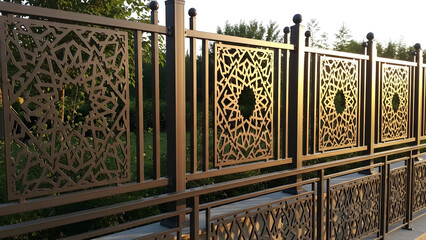
A building’s beauty is often found in the details. While walls, roofs, and windows create the structure itself, it is the carefully crafted elements that give a property its personality and character. From elegant stair railings and decorative gates to striking facades and custom metal accents, Architectural Metal Works play a significant role in shaping the appearance and functionality of modern buildings. These metal features combine artistic design with structural performance, creating spaces that are both visually impressive and highly practical.
As architecture continues to evolve, the demand for custom metal solutions has grown across residential, commercial, and industrial projects. Architectural metal works provide designers, builders, and property owners with endless opportunities to create unique spaces while maintaining durability and long-term value. Understanding the importance of architectural metalwork can help explain why it remains a key component of contemporary construction and design.
Understanding Architectural Metal Works
Architectural metal works refer to custom fabricated metal elements that are designed for use in buildings and other structures. Unlike purely structural metal components, architectural metal works focus on both appearance and functionality. These elements contribute to the overall design while often serving practical purposes such as safety, access control, privacy, or support.
Architectural metal works can include staircases, railings, balconies, gates, fences, decorative screens, canopies, handrails, facades, wall panels, and countless other custom features. Each piece is typically fabricated according to project specific requirements, ensuring that it integrates seamlessly with the overall architectural vision.
The process often involves collaboration between architects, designers, engineers, and fabricators. This teamwork helps ensure that each metal component meets aesthetic goals while complying with structural and safety requirements.
The ability to customize every aspect of a project makes architectural metal works an essential part of modern construction. From minimalist designs to highly decorative creations, metal offers remarkable flexibility for achieving unique architectural results.
The Role of Metal in Modern Architecture
Metal has become one of the most influential materials in modern architecture due to its versatility, strength, and visual appeal. Contemporary design often emphasizes clean lines, open spaces, and innovative forms, all of which can be supported by custom metal fabrication.
Architects frequently use metal to create bold design statements while maintaining structural efficiency. Metal components can be fabricated into intricate shapes and patterns that would be difficult to achieve with many other materials.
The strength of metal also allows for slimmer profiles and larger spans. This capability enables designers to create open, airy spaces without sacrificing stability or performance. As a result, metal is often used to support modern architectural concepts that prioritize simplicity and functionality.
In addition to its structural advantages, metal can be finished in a variety of ways to complement different design styles. Whether polished, brushed, painted, or textured, metal surfaces can contribute significantly to the overall aesthetic of a building.
Common Types of Architectural Metal Works
Architectural metal works encompass a wide range of applications that serve both decorative and functional purposes. One of the most recognizable examples is custom staircases and railings. These features often become focal points within buildings, combining safety with architectural elegance.
Decorative gates and fencing are also popular applications. Custom metal gates help define property boundaries while enhancing curb appeal and security. Their designs can range from simple and contemporary to highly ornamental.
Metal facades and cladding systems have become increasingly common in modern architecture. These exterior elements provide visual interest while helping protect the building from environmental conditions.
Balconies, handrails, and guardrails represent another important category of architectural metal works. These components contribute to occupant safety while enhancing the overall design of the structure.
Decorative screens and partitions offer both aesthetic and practical benefits. They can be used to create privacy, manage sunlight, and add architectural texture to indoor and outdoor spaces.
Canopies, awnings, and entry features further demonstrate the versatility of metal fabrication. These structures help define entrances while providing protection from weather and enhancing visual appeal.
Materials Commonly Used in Architectural Metal Works
Selecting the appropriate material is one of the most important decisions in any architectural metal project. Different metals offer distinct characteristics that influence appearance, durability, maintenance, and cost.
Steel is one of the most commonly used materials due to its strength and adaptability. It can support a wide variety of applications, from decorative features to large structural elements.
Stainless steel is prized for its corrosion resistance and sleek appearance. It is often selected for projects that require both durability and a contemporary aesthetic.
Aluminum is valued for its lightweight properties and resistance to rust. Its versatility makes it suitable for facades, railings, decorative panels, and other architectural applications.
Bronze and brass are frequently used in decorative metal works because of their distinctive appearance and timeless appeal. These materials can add warmth and sophistication to architectural designs.
The choice of material depends on factors such as environmental conditions, design goals, maintenance expectations, and project budget. Careful material selection helps ensure the long term success of the finished product.
Benefits of Custom Architectural Metal Works
One of the greatest advantages of architectural metal works is customization. Every project can be designed to meet specific functional requirements and aesthetic preferences. This flexibility allows architects and property owners to create truly unique spaces.
Durability is another major benefit. Properly fabricated and finished metal components can withstand years of use while maintaining their appearance and structural integrity. This longevity makes metal an attractive investment for both residential and commercial properties.
Architectural metal works also contribute to design versatility. Metal can be shaped, cut, welded, and finished in countless ways, enabling creative solutions that complement virtually any architectural style.
Sustainability has become an increasingly important consideration in modern construction. Many metals can be recycled and reused, making them environmentally responsible choices for building projects.
Additionally, architectural metal works can increase property value by enhancing both functionality and visual appeal. Well designed metal features often create a lasting impression and contribute to the overall quality of a property.
Technology and Innovation in Metal Fabrication
Advancements in fabrication technology have significantly expanded the possibilities of architectural metal works. Modern equipment allows fabricators to produce highly detailed and precise components that meet demanding design specifications.
Computer aided design software enables architects and fabricators to create accurate digital models before production begins. These models help identify potential challenges and improve project efficiency.
Laser cutting technology allows for intricate patterns and complex designs that were once difficult or impossible to achieve. This precision supports greater creativity while maintaining high levels of accuracy.
Computer controlled fabrication equipment contributes to consistency and quality throughout the manufacturing process. Automated systems help ensure that each component meets exact specifications.
Three dimensional modeling and advanced visualization tools also allow designers and clients to evaluate concepts before fabrication begins. This capability helps improve communication and reduce the likelihood of costly changes during construction.
As technology continues to evolve, architectural metal works are becoming increasingly sophisticated, enabling the creation of innovative and visually striking designs.
Design Trends in Architectural Metal Works
Architectural metal works continue to evolve as design preferences change. One of the most prominent trends is the use of clean, minimalist forms that emphasize simplicity and functionality. These designs often feature straight lines, open spaces, and understated elegance.
Geometric patterns have also gained popularity. Decorative screens, facades, and railing systems frequently incorporate repeating shapes that create visual interest while maintaining a modern appearance.
Mixed material designs represent another growing trend. Combining metal with wood, glass, stone, or concrete can create unique contrasts that enhance architectural character.
Sustainability focused design is becoming increasingly important as well. Architects are exploring ways to incorporate recycled materials and environmentally responsible fabrication practices into their projects.
Customization remains a defining characteristic of modern architectural metal works. Property owners and designers increasingly seek personalized solutions that reflect individual tastes and project specific goals.
How Architectural Metal Works Enhance Property Value
Architectural metal works provide more than aesthetic benefits. They can also contribute to increased property value by improving functionality, durability, and visual appeal.
Custom metal features often create a sense of quality and craftsmanship that distinguishes a property from others. Attractive staircases, railings, gates, and facades can leave a positive impression on visitors, occupants, and potential buyers.
Durable materials and professional fabrication help reduce maintenance costs and extend the lifespan of architectural elements. This long term reliability adds practical value to the investment.
Enhanced security, improved usability, and unique design features further contribute to a property’s overall appeal. Whether used in residential or commercial settings, architectural metal works often become defining characteristics that elevate the property’s market perception.
Final Thoughts
Architectural metal works play a vital role in modern design by combining artistic expression with practical functionality. From custom staircases and decorative railings to striking facades and personalized gates, these metal elements contribute to the character, safety, and performance of buildings. Their durability, versatility, and ability to support innovative design concepts make them an essential component of contemporary architecture. As fabrication technologies continue to advance and design possibilities expand, architectural metal works will remain a powerful tool for creating beautiful, functional, and enduring spaces that stand out for generations.