Author: Freddie Stone

How Much Do Pressure Washing Services Cost and What Affects the Price?

Pressure Washing Services

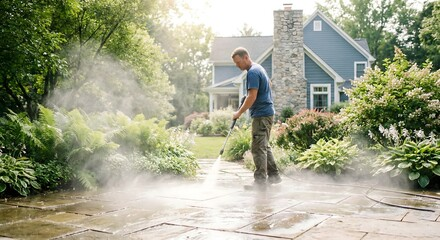
It often begins with a noticeable change in appearance. Surfaces that once looked clean and vibrant start to appear dull, stained, or covered in grime. Whether it is a driveway, exterior wall, or patio, buildup from dirt, mold, and weather can take a toll over time. Pressure washing offers a way to restore these surfaces, but one of the first questions people ask is about the cost.

Understanding what goes into pressure washing service pricing can help set realistic expectations and make informed decisions. Visit https://www.certifiedsoftwash.ca/ for more information.

Understanding Pressure Washing Service Costs

Pressure washing costs can vary depending on the scope of the work and the condition of the surfaces being cleaned. There is no fixed price because each project has different requirements. Some jobs may involve small areas with light cleaning needs, while others may require extensive work on larger surfaces with heavy buildup.

The overall cost typically reflects the time, effort, and resources required to complete the job. This includes equipment use, cleaning solutions, and labor. While the price may seem higher for more complex projects, it often reflects the level of detail and care needed to achieve effective results.

Understanding these basics helps explain why pressure washing costs can differ from one project to another.

Factors That Influence Pricing

Several factors play a role in determining the cost of pressure washing services. One of the most significant is the size of the area being cleaned. Larger surfaces require more time and resources, which increases the overall cost.

The condition of the surface is another important factor. Areas with heavy stains, mold, or accumulated dirt may require more intensive cleaning. This can involve additional treatments or repeated washing, which can add to the expense.

The type of surface also affects pricing. Different materials require different levels of pressure and cleaning methods. Delicate surfaces may need a gentler approach, while more durable materials can handle stronger pressure. These variations influence the time and effort required for the job.

Accessibility can also impact cost. Surfaces that are difficult to reach or require special equipment may increase the complexity of the work. This can result in higher pricing due to the additional effort involved.

Cost by Type of Surface

Pressure washing services often vary in cost depending on the type of surface being cleaned. Driveways and sidewalks are among the most common areas and are generally straightforward to clean. However, heavily stained concrete may require extra attention.

Exterior walls and siding can vary in cost depending on the material. Some surfaces require a lower pressure to avoid damage, which may involve more time and care. Decks and patios also fall into this category, as they often require specialized cleaning techniques.

Roofs are another area where pressure washing may be used, although they often require a softer approach to prevent damage. Cleaning these surfaces can be more complex, which may increase the cost.

Each type of surface presents unique challenges, and the pricing reflects the level of care required to clean it effectively.

Labor and Equipment Considerations

Labor is a significant component of pressure washing costs. The time required to complete the job depends on the size and condition of the area. More complex projects may require additional time and effort, which increases labor costs.

Equipment also plays a role in pricing. Professional pressure washing involves the use of specialized tools that can handle different cleaning needs. These tools must be maintained and operated correctly to achieve the best results.

In some cases, additional equipment may be needed for hard to reach areas or specific cleaning tasks. This can add to the overall cost but ensures that the job is completed thoroughly.

Cleaning Solutions and Treatments

In addition to water pressure, cleaning solutions are often used to enhance the effectiveness of the process. These solutions help break down dirt, mold, and stains, making them easier to remove. The type and amount of cleaning solution required can influence the cost.

Some surfaces may require specialized treatments to address specific issues. For example, removing mold or mildew may involve additional steps to ensure that the problem does not return. These treatments can add to the overall expense but provide longer lasting results.

Using the right cleaning methods is essential for achieving a clean and safe outcome. This is reflected in the cost of the service.

Frequency and Maintenance Costs

The frequency of pressure washing can also affect overall costs. Regular maintenance can help prevent heavy buildup, reducing the need for more intensive cleaning. This can make each service more affordable over time.

On the other hand, surfaces that have not been cleaned for a long period may require more extensive work. This can increase the cost of the initial cleaning. Establishing a routine maintenance schedule can help manage expenses and keep surfaces looking their best.

Considering long term maintenance is an important part of understanding pressure washing costs.

Residential vs Commercial Pricing

Pressure washing costs can differ between residential and commercial projects. Residential jobs typically involve smaller areas and simpler requirements. Commercial projects, on the other hand, may involve larger spaces and more complex cleaning needs.

Commercial properties often require more detailed planning and coordination. This can include working around business hours or addressing specific requirements for different surfaces. These factors can influence pricing and make commercial projects more expensive.

Understanding the differences between these types of projects helps explain variations in cost.

The Importance of Quality Service

While cost is an important consideration, the quality of the service should not be overlooked. Effective pressure washing requires proper techniques and attention to detail. Choosing a service based solely on the lowest price can lead to unsatisfactory results or even damage to surfaces.

Investing in quality service ensures that surfaces are cleaned safely and effectively. It also helps extend the lifespan of the materials being cleaned. This can provide better value over time, even if the initial cost is higher.

Balancing cost with quality is key to achieving the best outcome.

Tips for Managing Pressure Washing Costs

Managing pressure washing costs involves understanding the factors that influence pricing and making informed decisions. Scheduling regular cleanings can help prevent heavy buildup and reduce the need for more intensive work. Preparing the area before cleaning can also save time and lower costs.

Comparing different service options and understanding what is included in the price can help ensure that you receive good value. Being clear about expectations and requirements helps avoid unexpected expenses.

Taking a proactive approach to maintenance and planning can make pressure washing more affordable and effective.

Final Thoughts

Pressure washing services offer an effective way to restore and maintain the appearance of various surfaces. While costs can vary depending on several factors, understanding what influences pricing helps provide clarity and confidence when planning a project. From the size and condition of the area to the type of surface and cleaning methods used, each element plays a role in determining the final cost.

By considering both immediate needs and long term maintenance, it is possible to manage expenses while achieving high quality results. In the end, pressure washing is not just about cleaning surfaces but about preserving their condition and enhancing their overall appearance.
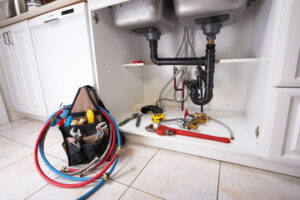

Fast and Dependable Plumbing Repairs to Restore Your Comfort

Keep your home plumbing working properly by addressing any issues promptly. If you notice damp spots or stains, a rise in your water bill, or foul odors, these are all signs of hidden problems that could lead to significant and costly damage if left untreated. Contact a licensed Ranger Plumbing Company for prompt and professional repairs to your pipes.

plumbing

Leaking Pipes

Leaking pipes are one of the most serious and expensive plumbing issues homeowners face. While they may seem harmless, leaking water can cause extensive damage to your home and can lead to other costly repairs, such as those for foundation problems or mold growth. Fortunately, you can often identify a leak before it becomes too severe with regular inspections and preventive maintenance. When you do spot a leak, several quick fixes can help you contain it until you can have a professional make permanent repairs.

The first step in any pipe leak repair is to shut off the water supply. You can do this by turning off the main water valve for the entire property, or for a specific fixture such as a sink or toilet, the valve attached to that particular fixture. Once you have done this, you can then start looking for the source of the leak and take steps to contain it.

If the leak is in a wall or ceiling, you can use sheetrock patching compound to create a temporary seal over the damaged area. This can be purchased at most hardware stores and is easy to apply; just follow the manufacturer’s instructions for application.

Another common way to fix a leak is with pipe repair clamps, which can provide a fast and reliable solution to leaks around joints and seams in your plumbing system. These are designed to fit over the top of a broken or loose pipe and can be easily applied with no tools required.

Leaks in your plumbing can also be caused by rusted or poorly sealed pipe joints and fittings. These can deteriorate over time, leading to corrosion that creates openings for water to escape through. You can prevent this by keeping water pressure moderate, maintaining proper waste disposal practices (only disposing of food and human waste in the toilets), insulating exposed pipes in cold climates, and scheduling regular plumbing maintenance from a professional.

A dripping faucet or an unexplained increase in your water bill are both signs of a leaking pipe, but stains on walls and ceilings are often the first indication of a problem. These are typically caused by a buildup of stagnant water that collects under the leak and produces a foul odor.

Clogged Drains

Clogged drains are a common and frustrating plumbing issue. They can be caused by a variety of factors, including everyday buildup, hair and food scraps, and stray objects like toys or jewelry that fall down the drain. Some clogs are worse than others, and some require more advanced professional tools to fix. A professional plumber can help identify the cause and recommend a repair method.

The most common clogs are found in bathroom sink and tub drains. Soap residue combines with minerals to form soap scum, which can stick to pipe walls and restrict water flow. Using liquid soap and regular cleaning can reduce this problem. Kitchen drains are also prone to clogs. Grease from cooking can harden as it cools, clinging to the pipes and trapping other debris. Keeping a grease trap in the kitchen and wiping down greasy pans before washing can minimize this problem.

Other common clogs include toilets, bathtubs, and showers. Most of these can be prevented by installing a float-operated stopper, removing standing water regularly, and using the toilet plunger or drain snake to clear larger obstructions. It is also a good idea to plant trees well away from sewer lines, and to have these lines regularly inspected for root intrusion.

If you suspect a clog, a simple DIY solution is to combine baking soda and vinegar to create a chemical reaction that breaks down organic material and dissolves clogs. This is a safe, eco-friendly, and affordable option for most minor clogs.

When a clog becomes more serious, it may need to be cleared with a plumbing snake or professional hydro-jetting. In some cases, the clog could be due to a broken pipe or a sewer backup.

Some clogs are too serious for DIY solutions, such as when a child flushes a toy or tree roots invade older pipe sections. In these situations, it is a good idea to contact a professional plumber to ensure that the problem is fixed completely and quickly. A plumber can also recommend preventative maintenance to keep drains in good working condition.

Leaking Faucets

Faucets see a lot of action daily. This constant use causes the internal components to wear out, leading to leaks and drips. While some faucets can be fixed with a few household plumbing supplies, others require professional help from a plumber.

A leaking bathroom or kitchen faucet is more than just an eyesore; it also leads to wasted water and money. The good news is that most dripping faucets are easy for homeowners to fix themselves. Here are a few simple steps to get you started:

Shut off the water supply valves under your sink. This will prevent accidental spills and minimize the risk of flooding your home. Cover the drain with a rag to avoid losing small parts during disassembly. Prepare a clean workspace and lay out the faucet components in order of removal. Have the necessary tools ready, including adjustable wrenches and screwdrivers. Have replacement parts, such as washers and O-rings, on hand to ensure a seamless swap once you reassemble the faucet.

For a standard faucet, start by prying off the decorative cap on the handle with a utility knife or screwdriver to expose the attachment screws. Unscrew the handle screw, then pull the handle off. If there’s a threaded retaining clip holding the cartridge in place, remove it with needle-nose pliers and pull the cartridge straight up. Look at the valve seat for mineral buildup. If the spout leaks, it’s probably because the seat is worn out from too much friction.

If the spout isn’t leaking, it’s likely because there’s a washer leaking at the bottom of the stem. The easiest way to replace this is to unscrew the screw that holds the washer in place, then put a new one on, making sure it’s the same size. Once you’ve replaced all the necessary parts, reassemble the faucet and turn on the water to test it for any remaining leaks. If you need further assistance, the new Frontdoor app makes it easy to connect with vetted local Pros who can handle more complex home repair and maintenance jobs.

Broken Pipes

A burst pipe can create significant water damage to your home, resulting in costly repairs and increased water bills. The longer a burst pipe goes unrepaired, the more likely it is to cause additional complications such as mold growth and structural damage.

Fortunately, it is possible to repair broken pipes with DIY plumbing fixes that are affordable and quick. These methods are temporary, however, and you will need to hire a professional plumber if you want to restore your pipe’s integrity and protect your property.

One of the first things to do when dealing with a broken pipe is to locate and shut off your home’s main water valve. It is typically located in the basement, garage, or near your water meter, and turning it clockwise can help prevent further damage while you wait for a plumber to arrive.

Once you have turned off your home’s main water supply, you can start to address the broken pipe. You can purchase copper or CPVC slip repair fittings from your local hardware store, which can be easily inserted after you have cut out the damaged section and deburred the ends. These fit over the end caps of the pipe to provide a secure, watertight seal.

Another DIY option is to use epoxy putty, which you can find at your local hardware store. Mix the two parts of the putty together and apply it over the cracked or leaky spot, making sure to coat the entire area. Let the putty dry completely before using your pipe again, and you can tighten the hose clamps on either side of the leak to take some stress off the affected area.

While these DIY fixes can be useful in a pinch, it is best to replace old and heavily corroded pipes proactively instead of waiting for them to break down. A professional plumber can install new pipes that will be more resistant to corrosion and ensure a long-lasting, reliable plumbing system for your property. This can also reduce your chances of a burst pipe in the future. If you have extensive water damage, check your homeowners’ insurance policy to see if it covers Additional Living Expenses (ALE) for hotel stays and meals while you wait for repairs to be completed.

Sewer Line Maintenance Explained: Keeping Your System Flowing Smoothly

A properly functioning sewer line is one of the most important yet often overlooked components of any property. Hidden underground and out of sight, sewer systems quietly transport wastewater away from homes and buildings every day. When everything works smoothly, it’s easy to forget that maintenance is even necessary. However, neglecting sewer line care can lead to unpleasant backups, costly repairs, and potential damage to your property. Understanding the fundamentals of sewer line maintenance empowers homeowners to protect their plumbing systems, avoid disruptions, and ensure long-term efficiency.

Sewer line maintenance is not just about fixing problems when they arise—it is about prevention. Routine inspections, proper waste disposal habits, and professional care all contribute to keeping wastewater systems running effectively. By taking a proactive approach, property owners can avoid emergency repairs and maintain a safe, sanitary environment. This comprehensive guide explores how sewer lines work, why maintenance matters, common warning signs, and practical strategies for keeping your system flowing smoothly year-round. Reach out Plumber Arvada for comprehensive assistance.

plumbing

Understanding How Sewer Lines Work

Before diving into maintenance tips, it is important to understand the role sewer lines play in a plumbing system. Sewer lines carry wastewater from sinks, toilets, showers, and appliances toward a centralized disposal or treatment system. These pipes must handle a constant flow of water and waste, which means even minor obstructions or structural issues can create major disruptions.

Most sewer systems rely on gravity to move waste through underground pipes. Over time, debris such as grease, hair, soap residue, and foreign objects can accumulate along pipe walls, restricting flow. Environmental factors like shifting soil, tree root intrusion, and aging materials can also weaken pipes and increase the risk of leaks or breaks. Without regular maintenance, small issues may escalate into severe blockages or structural failures.

Routine care helps ensure that wastewater flows efficiently, preventing unpleasant odors, slow drains, and unsanitary conditions. A well-maintained sewer line supports the overall health of your plumbing system and reduces the likelihood of unexpected emergencies.

Why Sewer Line Maintenance Matters

Sewer line problems rarely appear overnight. Most issues begin as small, manageable concerns that worsen over time. Regular maintenance allows homeowners to identify warning signs early and take corrective action before serious damage occurs.

Neglecting sewer line maintenance can result in expensive repairs, property damage, and health risks caused by wastewater exposure. Blocked or damaged sewer lines may cause water to back up into sinks, tubs, or floor drains, creating hazardous conditions that disrupt daily life. By investing in preventive maintenance, homeowners protect not only their plumbing system but also their property’s value and safety.

Key Benefits of Consistent Sewer Line Maintenance:

  1. Prevention of Major Blockages: Routine cleaning removes buildup before it becomes a serious obstruction.
  2. Improved System Efficiency: Properly maintained pipes allow wastewater to flow freely, reducing stress on plumbing components.
  3. Reduced Repair Costs: Identifying minor issues early helps avoid costly emergency repairs or pipe replacements.
  4. Health and Safety Protection: Preventing sewage backups minimizes exposure to harmful bacteria and contaminants.

Maintaining sewer lines is a proactive investment that supports long-term plumbing reliability and ensures peace of mind for homeowners.

Common Causes of Sewer Line Problems

Understanding what causes sewer line issues helps homeowners take steps to prevent them. Many problems develop gradually, making early awareness essential.

One of the most common causes of sewer line blockages is improper waste disposal. Items such as grease, wipes, paper towels, and hygiene products do not break down easily and can accumulate within pipes. Over time, this buildup restricts water flow and increases the risk of clogs. Tree root intrusion is another frequent issue, as roots naturally seek moisture and can penetrate small cracks in underground pipes.

Aging infrastructure also contributes to sewer line problems. Older pipes made from outdated materials may corrode, collapse, or shift due to soil movement. Seasonal temperature changes, ground settling, and heavy traffic above sewer lines can place additional stress on pipes, leading to cracks or leaks.

Most Frequent Sewer Line Issues Homeowners Encounter:

  1. Grease and Debris Buildup: Cooking oils and non-flushable materials create stubborn blockages.
  2. Tree Root Intrusion: Roots infiltrate pipes and restrict wastewater flow.
  3. Pipe Corrosion or Deterioration: Aging materials weaken over time.
  4. Ground Movement: Shifting soil may cause pipes to misalign or crack.

By recognizing these common causes, homeowners can adopt smarter habits and schedule routine inspections to minimize risks.

Warning Signs Your Sewer Line Needs Attention

Sewer line issues often give subtle warning signs before turning into serious problems. Paying attention to these indicators can help homeowners act quickly and avoid costly repairs.

Slow drains throughout the home are often one of the earliest signs of a developing sewer line blockage. While a single slow drain may indicate a localized issue, multiple slow drains suggest a deeper problem within the main sewer line. Unpleasant odors, gurgling sounds from toilets or drains, and frequent backups are also red flags that should not be ignored.

Another warning sign is unexpected patches of lush grass or damp areas in the yard. These may indicate a leaking sewer pipe underground. Addressing these issues promptly prevents further damage and protects the surrounding environment.

Essential Sewer Line Maintenance Practices

Maintaining a healthy sewer system requires a combination of good daily habits and professional care. Homeowners can take several steps to reduce strain on their sewer lines and extend their lifespan.

One of the most effective strategies is practicing responsible waste disposal. Avoid pouring grease down the drain and refrain from flushing items that do not dissolve easily. Using drain strainers in sinks and showers can help capture debris before it enters the plumbing system.

Professional inspections also play a critical role in maintenance. Advanced inspection tools allow plumbers to assess the condition of pipes, detect hidden issues, and recommend preventive solutions. Regular drain cleaning removes buildup and ensures smooth water flow, reducing the likelihood of major blockages.

Smart Maintenance Habits for Homeowners:

  1. Dispose of Grease Properly: Allow cooking oils to cool and discard them in sealed containers.
  2. Limit Non-Flushable Items: Only flush materials specifically designed to break down in water.
  3. Schedule Routine Inspections: Periodic professional assessments catch problems early.
  4. Monitor Water Usage: Avoid overwhelming the system with excessive water flow at once.

These simple practices help homeowners maintain a reliable sewer system and reduce the risk of unexpected issues.

Professional Sewer Line Services and Their Role

While homeowners can take preventive steps, professional plumbing services are essential for comprehensive sewer line maintenance. Skilled plumbers use specialized equipment to inspect, clean, and repair underground pipes without unnecessary disruption.

Routine professional services may include camera inspections, hydro jetting, and preventive drain cleaning. Camera inspections allow plumbers to identify blockages, cracks, or root intrusion with precision, while hydro jetting uses high-pressure water to remove stubborn buildup safely. These methods restore proper flow and help extend the life of sewer lines.

Professional maintenance not only addresses existing problems but also helps homeowners develop long-term care strategies tailored to their plumbing system. Regular service appointments ensure that minor issues are resolved before they escalate into emergencies.

How Preventive Maintenance Saves Time and Money

Many homeowners underestimate the long-term financial benefits of sewer line maintenance. While routine inspections and cleaning may seem like an added expense, they often prevent costly repairs that result from neglected systems.

Emergency sewer line repairs can involve extensive labor, property restoration, and temporary disruption of daily activities. In contrast, preventive maintenance reduces the likelihood of sudden failures and allows homeowners to plan for upgrades or repairs on their own schedule.

Financial Advantages of Preventive Sewer Care:

  1. Lower Repair Costs: Early detection minimizes extensive damage.
  2. Reduced Emergency Fees: Routine maintenance prevents urgent after-hours service calls.
  3. Extended Pipe Lifespan: Well-maintained pipes require fewer replacements over time.
  4. Improved Property Value: A reliable plumbing system enhances overall home appeal.

By prioritizing maintenance, homeowners make a smart investment that supports long-term savings and convenience.

Building a Long-Term Sewer Line Care Plan

Creating a consistent sewer line maintenance plan ensures that your plumbing system remains efficient and reliable. This plan should include regular inspections, responsible waste disposal habits, and prompt attention to warning signs.

Homeowners may benefit from scheduling annual or biannual sewer line checkups, especially in older properties or areas with mature landscaping that increases the risk of root intrusion. Keeping detailed records of past inspections and maintenance activities also helps track the system’s condition over time.

Proactive planning allows homeowners to anticipate potential challenges and maintain control over their plumbing system’s performance. Rather than waiting for problems to occur, a long-term care plan provides confidence that the sewer line will continue to function smoothly.

Sewer line maintenance is a crucial aspect of responsible homeownership that often goes unnoticed until problems arise. By understanding how sewer systems work, recognizing warning signs, and adopting preventive maintenance habits, homeowners can protect their plumbing infrastructure and avoid costly disruptions.

Routine inspections, proper waste disposal, and professional services work together to ensure that wastewater flows efficiently and safely. Whether addressing minor buildup or preventing major blockages, consistent care helps extend the lifespan of sewer lines and supports a healthy living environment.

Ultimately, maintaining a well-functioning sewer system is about more than avoiding inconvenience—it is about safeguarding your home, preserving property value, and ensuring peace of mind. With the right knowledge and a proactive approach, homeowners can keep their sewer lines flowing smoothly and enjoy a reliable plumbing system for years to come.

Can a Plumber Fix Low Water Pressure?

Can a Plumber Fix Low Water Pressure

Homeowners experiencing low water pressure should first check to see if the problem affects all fixtures in the house. If it does, this indicates a problem on a larger scale, such as a localized blockage or an issue with the water supply. A licensed plumber can perform various tests to pinpoint the cause of the low pressure. These include:

Professional Troubleshooting

When residential water pressure takes a nosedive from a powerful stream to a weak trickle, it is often due to something blocking or restricting the flow. Professional Plumbers Denton TX use comprehensive troubleshooting to find and address the root of your problem, whether it’s a simple mineral buildup or an issue with your main water supply line.

First, they will check to see if your low water pressure is affecting all fixtures and appliances across your home or just one or more rooms or devices. This will help them narrow down where to start looking and determine what types of detailed tests to perform. For instance, hooking up a basic water pressure gauge to an exterior hose bib or faucet can provide a reading of the home’s overall water pressure (in pounds per square inch, or psi).

If the issue is localized, a plumber may suggest more targeted troubleshooting steps. For example, they can help you clean your showerheads and faucet aerators to remove mineral buildup that is choking off flow and reducing pressure. They can also recommend regular pipe maintenance to keep minerals and sediment from clogging pipes.

In addition, a professional plumber can inspect your home’s pipes and replace worn parts as needed to ensure strong water pressure and optimal water quality. In some cases, more extensive solutions such as re-piping or upgrading your main water supply line may be required to resolve your low water pressure problems.

Sometimes, your low water pressure isn’t actually caused by a problem in your plumbing system at all, but rather by an outside issue like a city work shutdown or even a water service disruption. This is why it’s important to ask your neighbors (if you live in a multifamily building) if they are experiencing the same problem, and to check with the city water department if it is a municipal issue. This will save you the time and money of performing expensive home repairs. If all else fails, a plumber can recommend and install a solution such as a water pressure booster to give you back the strong flow you are used to.

Clogged Pipes

Over time, mineral deposits and rust can build up inside pipes, restricting water flow and leading to low pressure. A plumber can clean out your pipes and fixtures to improve water flow. If you have a water meter near your home, they can also check its reading to determine whether the problem is with your local water supply or in your own plumbing system.

A professional can also fix leaks, which are another common cause of low water pressure. You may be able to spot a leaking faucet or wet spots on your walls or ceiling, but hidden leaks can be more difficult to diagnose. A plumber will use specialized tools to find and repair any leaks in your plumbing system.

Clogged drains can also lead to low water pressure in your home. A professional can use a combination of household solutions and specialized equipment to remove any obstructions in your plumbing system, including the drain lines that run outside your home. For example, if you have a blocked pipe due to root intrusion, they can recommend and implement a solution like Hercules R-D Root Destroyer, which effectively eliminates any unwanted roots from external drain lines.

If you have a faulty showerhead or appliance that is not functioning correctly, this can also cause low water pressure in your home. A plumber can replace or repair these items to resolve the problem and restore your home’s water pressure.

The vents in your home’s DWV system (D – drain, W – waste, V – vent) promote airflow throughout the piping system and keep the pressure neutralized. A partial blockage in these vents can reduce your home’s overall water pressure.

Leaking hoses and valves can also contribute to low water pressure in your home. If you have an older hose or a valve that is leaking, they should be replaced. In addition, if you have hard water in your home, a plumber can recommend and install a water softener to minimize the buildup of minerals that can reduce your water pressure.

Low water pressure in your home can make it challenging to complete everyday tasks like bathing, cooking, and cleaning. If you’ve tried DIY solutions and have not seen any improvement, it’s time to call a professional. With a thorough inspection and professional tools, your plumber can diagnose the problem and provide tailored solutions to fix it and improve your home’s water pressure.

Shared Water Supply Issues

If you live in a multi-home complex with shared residential water lines, fluctuations in the system’s capacity can impact your home’s water pressure. In some cases, this can be due to a problem with the municipality’s water supply. In others, it’s a result of your neighbors’ water usage. Whether you’re dealing with a temporary problem or an ongoing issue, a plumber can help identify the source and recommend solutions that improve water pressure consistency.

Over time, mineral buildup in pipes can restrict the flow of water and contribute to low water pressure. This is more common in areas with hard water. A plumber can use specialized tools to clear out clogged pipes and restore proper water flow. They may also suggest installing a water softener to prevent further issues with your appliances and the plumbing in your house.

Another common cause of low water pressure is a faulty pressure regulator. These devices are installed on the main line to reduce pressure and maintain a consistent flow throughout the house. If your home’s pressure drops dramatically when a toilet is flushed, it could indicate that the system has exceeded its maximum capacity and must be replaced.

Plumbing experts can ensure that your system is properly sized for your home and that all the shut off valves are open and functioning correctly. They can also check for signs of leaks, such as dripping faucets and wet spots on walls or ceilings. These simple tasks can often solve isolated problems, but in more serious cases, a plumber will need to inspect the entire plumbing system for damage and determine if any repairs are needed.

Since the water supply to a house is typically controlled by multiple homeowners, it’s important to have open communication and schedule regular maintenance. Keeping up with these tasks will reduce the risk of damage and keep water flowing properly. This can avoid costly repairs in the future and help prevent the problem of low water pressure from reoccurring. Consulting with plumbing experts who understand the complexities of San Diego’s infrastructure is essential. They can help diagnose the issue and propose effective solutions without disrupting the water supply to other homes.

Water Pressure Boosters

A water pressure booster pump increases the flow of water through your home’s plumbing, restoring adequate pressure for comfortable showers, fast bathtub filling, and improved performance of kitchen and laundry appliances. It is a simple yet effective solution to a common problem that can have serious consequences for your daily routines and household chores.

Your plumber will be able to diagnose the root cause of low water pressure in your home, implementing tailored solutions to restore optimum water flow and improve your quality of life. They will repair leaks, clear blocked pipes, replace worn-out parts, and recommend a water treatment system to minimize mineral deposits that can affect water flow.

Leaks are a common cause of low water pressure in homes. Whether caused by faulty shut off valves or old, corroded galvanized steel pipes, leaks can reduce the amount of water available for use and cause a loss in pressure. Using specialized tools and techniques, your plumber will be able to locate and repair hidden leaks, preventing water damage and reducing your utility bills.

Clogged or slow-filling toilets, sinks, and tubs may also cause low water pressure. Your plumber will be able to remove obstructions and clean or replace clogged aerators to resolve these problems. Often, these issues are the result of a build-up of mineral deposits and rust. If left untreated, they can lead to more significant and expensive repairs in the future.

Water pressure can be affected by the distance between your home and the water source. Your plumber will be able to check the water pressure in your neighborhood and recommend solutions, such as installing a pressure boosting pump or replacing existing pipes, to maintain a strong, reliable supply of water for your home.

One of the most frustrating causes of low water pressure is a faulty or improperly adjusted water pressure regulator. You can try to adjust the regulator yourself, but if you’re not sure what you’re doing or aren’t comfortable working with your plumbing, it’s best to leave this task to your plumber. They have the right skills, knowledge, and equipment to fix a faulty regulator and ensure it maintains a healthy water pressure for your home.

Navigation