Keep your home plumbing working properly by addressing any issues promptly. If you notice damp spots or stains, a rise in your water bill, or foul odors, these are all signs of hidden problems that could lead to significant and costly damage if left untreated. Contact a licensed Ranger Plumbing Company for prompt and professional repairs to your pipes.
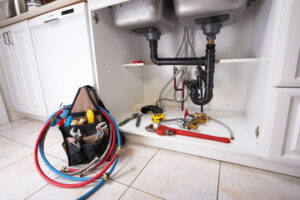
Leaking Pipes
Leaking pipes are one of the most serious and expensive plumbing issues homeowners face. While they may seem harmless, leaking water can cause extensive damage to your home and can lead to other costly repairs, such as those for foundation problems or mold growth. Fortunately, you can often identify a leak before it becomes too severe with regular inspections and preventive maintenance. When you do spot a leak, several quick fixes can help you contain it until you can have a professional make permanent repairs.
The first step in any pipe leak repair is to shut off the water supply. You can do this by turning off the main water valve for the entire property, or for a specific fixture such as a sink or toilet, the valve attached to that particular fixture. Once you have done this, you can then start looking for the source of the leak and take steps to contain it.
If the leak is in a wall or ceiling, you can use sheetrock patching compound to create a temporary seal over the damaged area. This can be purchased at most hardware stores and is easy to apply; just follow the manufacturer’s instructions for application.
Another common way to fix a leak is with pipe repair clamps, which can provide a fast and reliable solution to leaks around joints and seams in your plumbing system. These are designed to fit over the top of a broken or loose pipe and can be easily applied with no tools required.
Leaks in your plumbing can also be caused by rusted or poorly sealed pipe joints and fittings. These can deteriorate over time, leading to corrosion that creates openings for water to escape through. You can prevent this by keeping water pressure moderate, maintaining proper waste disposal practices (only disposing of food and human waste in the toilets), insulating exposed pipes in cold climates, and scheduling regular plumbing maintenance from a professional.
A dripping faucet or an unexplained increase in your water bill are both signs of a leaking pipe, but stains on walls and ceilings are often the first indication of a problem. These are typically caused by a buildup of stagnant water that collects under the leak and produces a foul odor.
Clogged Drains
Clogged drains are a common and frustrating plumbing issue. They can be caused by a variety of factors, including everyday buildup, hair and food scraps, and stray objects like toys or jewelry that fall down the drain. Some clogs are worse than others, and some require more advanced professional tools to fix. A professional plumber can help identify the cause and recommend a repair method.
The most common clogs are found in bathroom sink and tub drains. Soap residue combines with minerals to form soap scum, which can stick to pipe walls and restrict water flow. Using liquid soap and regular cleaning can reduce this problem. Kitchen drains are also prone to clogs. Grease from cooking can harden as it cools, clinging to the pipes and trapping other debris. Keeping a grease trap in the kitchen and wiping down greasy pans before washing can minimize this problem.
Other common clogs include toilets, bathtubs, and showers. Most of these can be prevented by installing a float-operated stopper, removing standing water regularly, and using the toilet plunger or drain snake to clear larger obstructions. It is also a good idea to plant trees well away from sewer lines, and to have these lines regularly inspected for root intrusion.
If you suspect a clog, a simple DIY solution is to combine baking soda and vinegar to create a chemical reaction that breaks down organic material and dissolves clogs. This is a safe, eco-friendly, and affordable option for most minor clogs.
When a clog becomes more serious, it may need to be cleared with a plumbing snake or professional hydro-jetting. In some cases, the clog could be due to a broken pipe or a sewer backup.
Some clogs are too serious for DIY solutions, such as when a child flushes a toy or tree roots invade older pipe sections. In these situations, it is a good idea to contact a professional plumber to ensure that the problem is fixed completely and quickly. A plumber can also recommend preventative maintenance to keep drains in good working condition.
Leaking Faucets
Faucets see a lot of action daily. This constant use causes the internal components to wear out, leading to leaks and drips. While some faucets can be fixed with a few household plumbing supplies, others require professional help from a plumber.
A leaking bathroom or kitchen faucet is more than just an eyesore; it also leads to wasted water and money. The good news is that most dripping faucets are easy for homeowners to fix themselves. Here are a few simple steps to get you started:
Shut off the water supply valves under your sink. This will prevent accidental spills and minimize the risk of flooding your home. Cover the drain with a rag to avoid losing small parts during disassembly. Prepare a clean workspace and lay out the faucet components in order of removal. Have the necessary tools ready, including adjustable wrenches and screwdrivers. Have replacement parts, such as washers and O-rings, on hand to ensure a seamless swap once you reassemble the faucet.
For a standard faucet, start by prying off the decorative cap on the handle with a utility knife or screwdriver to expose the attachment screws. Unscrew the handle screw, then pull the handle off. If there’s a threaded retaining clip holding the cartridge in place, remove it with needle-nose pliers and pull the cartridge straight up. Look at the valve seat for mineral buildup. If the spout leaks, it’s probably because the seat is worn out from too much friction.
If the spout isn’t leaking, it’s likely because there’s a washer leaking at the bottom of the stem. The easiest way to replace this is to unscrew the screw that holds the washer in place, then put a new one on, making sure it’s the same size. Once you’ve replaced all the necessary parts, reassemble the faucet and turn on the water to test it for any remaining leaks. If you need further assistance, the new Frontdoor app makes it easy to connect with vetted local Pros who can handle more complex home repair and maintenance jobs.
Broken Pipes
A burst pipe can create significant water damage to your home, resulting in costly repairs and increased water bills. The longer a burst pipe goes unrepaired, the more likely it is to cause additional complications such as mold growth and structural damage.
Fortunately, it is possible to repair broken pipes with DIY plumbing fixes that are affordable and quick. These methods are temporary, however, and you will need to hire a professional plumber if you want to restore your pipe’s integrity and protect your property.
One of the first things to do when dealing with a broken pipe is to locate and shut off your home’s main water valve. It is typically located in the basement, garage, or near your water meter, and turning it clockwise can help prevent further damage while you wait for a plumber to arrive.
Once you have turned off your home’s main water supply, you can start to address the broken pipe. You can purchase copper or CPVC slip repair fittings from your local hardware store, which can be easily inserted after you have cut out the damaged section and deburred the ends. These fit over the end caps of the pipe to provide a secure, watertight seal.
Another DIY option is to use epoxy putty, which you can find at your local hardware store. Mix the two parts of the putty together and apply it over the cracked or leaky spot, making sure to coat the entire area. Let the putty dry completely before using your pipe again, and you can tighten the hose clamps on either side of the leak to take some stress off the affected area.
While these DIY fixes can be useful in a pinch, it is best to replace old and heavily corroded pipes proactively instead of waiting for them to break down. A professional plumber can install new pipes that will be more resistant to corrosion and ensure a long-lasting, reliable plumbing system for your property. This can also reduce your chances of a burst pipe in the future. If you have extensive water damage, check your homeowners’ insurance policy to see if it covers Additional Living Expenses (ALE) for hotel stays and meals while you wait for repairs to be completed.