Tag: plumbing techniques

Fast and Dependable Plumbing Repairs to Restore Your Comfort

Keep your home plumbing working properly by addressing any issues promptly. If you notice damp spots or stains, a rise in your water bill, or foul odors, these are all signs of hidden problems that could lead to significant and costly damage if left untreated. Contact a licensed Ranger Plumbing Company for prompt and professional repairs to your pipes.
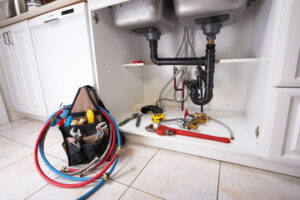
plumbing

Leaking Pipes

Leaking pipes are one of the most serious and expensive plumbing issues homeowners face. While they may seem harmless, leaking water can cause extensive damage to your home and can lead to other costly repairs, such as those for foundation problems or mold growth. Fortunately, you can often identify a leak before it becomes too severe with regular inspections and preventive maintenance. When you do spot a leak, several quick fixes can help you contain it until you can have a professional make permanent repairs.

The first step in any pipe leak repair is to shut off the water supply. You can do this by turning off the main water valve for the entire property, or for a specific fixture such as a sink or toilet, the valve attached to that particular fixture. Once you have done this, you can then start looking for the source of the leak and take steps to contain it.

If the leak is in a wall or ceiling, you can use sheetrock patching compound to create a temporary seal over the damaged area. This can be purchased at most hardware stores and is easy to apply; just follow the manufacturer’s instructions for application.

Another common way to fix a leak is with pipe repair clamps, which can provide a fast and reliable solution to leaks around joints and seams in your plumbing system. These are designed to fit over the top of a broken or loose pipe and can be easily applied with no tools required.

Leaks in your plumbing can also be caused by rusted or poorly sealed pipe joints and fittings. These can deteriorate over time, leading to corrosion that creates openings for water to escape through. You can prevent this by keeping water pressure moderate, maintaining proper waste disposal practices (only disposing of food and human waste in the toilets), insulating exposed pipes in cold climates, and scheduling regular plumbing maintenance from a professional.

A dripping faucet or an unexplained increase in your water bill are both signs of a leaking pipe, but stains on walls and ceilings are often the first indication of a problem. These are typically caused by a buildup of stagnant water that collects under the leak and produces a foul odor.

Clogged Drains

Clogged drains are a common and frustrating plumbing issue. They can be caused by a variety of factors, including everyday buildup, hair and food scraps, and stray objects like toys or jewelry that fall down the drain. Some clogs are worse than others, and some require more advanced professional tools to fix. A professional plumber can help identify the cause and recommend a repair method.

The most common clogs are found in bathroom sink and tub drains. Soap residue combines with minerals to form soap scum, which can stick to pipe walls and restrict water flow. Using liquid soap and regular cleaning can reduce this problem. Kitchen drains are also prone to clogs. Grease from cooking can harden as it cools, clinging to the pipes and trapping other debris. Keeping a grease trap in the kitchen and wiping down greasy pans before washing can minimize this problem.

Other common clogs include toilets, bathtubs, and showers. Most of these can be prevented by installing a float-operated stopper, removing standing water regularly, and using the toilet plunger or drain snake to clear larger obstructions. It is also a good idea to plant trees well away from sewer lines, and to have these lines regularly inspected for root intrusion.

If you suspect a clog, a simple DIY solution is to combine baking soda and vinegar to create a chemical reaction that breaks down organic material and dissolves clogs. This is a safe, eco-friendly, and affordable option for most minor clogs.

When a clog becomes more serious, it may need to be cleared with a plumbing snake or professional hydro-jetting. In some cases, the clog could be due to a broken pipe or a sewer backup.

Some clogs are too serious for DIY solutions, such as when a child flushes a toy or tree roots invade older pipe sections. In these situations, it is a good idea to contact a professional plumber to ensure that the problem is fixed completely and quickly. A plumber can also recommend preventative maintenance to keep drains in good working condition.

Leaking Faucets

Faucets see a lot of action daily. This constant use causes the internal components to wear out, leading to leaks and drips. While some faucets can be fixed with a few household plumbing supplies, others require professional help from a plumber.

A leaking bathroom or kitchen faucet is more than just an eyesore; it also leads to wasted water and money. The good news is that most dripping faucets are easy for homeowners to fix themselves. Here are a few simple steps to get you started:

Shut off the water supply valves under your sink. This will prevent accidental spills and minimize the risk of flooding your home. Cover the drain with a rag to avoid losing small parts during disassembly. Prepare a clean workspace and lay out the faucet components in order of removal. Have the necessary tools ready, including adjustable wrenches and screwdrivers. Have replacement parts, such as washers and O-rings, on hand to ensure a seamless swap once you reassemble the faucet.

For a standard faucet, start by prying off the decorative cap on the handle with a utility knife or screwdriver to expose the attachment screws. Unscrew the handle screw, then pull the handle off. If there’s a threaded retaining clip holding the cartridge in place, remove it with needle-nose pliers and pull the cartridge straight up. Look at the valve seat for mineral buildup. If the spout leaks, it’s probably because the seat is worn out from too much friction.

If the spout isn’t leaking, it’s likely because there’s a washer leaking at the bottom of the stem. The easiest way to replace this is to unscrew the screw that holds the washer in place, then put a new one on, making sure it’s the same size. Once you’ve replaced all the necessary parts, reassemble the faucet and turn on the water to test it for any remaining leaks. If you need further assistance, the new Frontdoor app makes it easy to connect with vetted local Pros who can handle more complex home repair and maintenance jobs.

Broken Pipes

A burst pipe can create significant water damage to your home, resulting in costly repairs and increased water bills. The longer a burst pipe goes unrepaired, the more likely it is to cause additional complications such as mold growth and structural damage.

Fortunately, it is possible to repair broken pipes with DIY plumbing fixes that are affordable and quick. These methods are temporary, however, and you will need to hire a professional plumber if you want to restore your pipe’s integrity and protect your property.

One of the first things to do when dealing with a broken pipe is to locate and shut off your home’s main water valve. It is typically located in the basement, garage, or near your water meter, and turning it clockwise can help prevent further damage while you wait for a plumber to arrive.

Once you have turned off your home’s main water supply, you can start to address the broken pipe. You can purchase copper or CPVC slip repair fittings from your local hardware store, which can be easily inserted after you have cut out the damaged section and deburred the ends. These fit over the end caps of the pipe to provide a secure, watertight seal.

Another DIY option is to use epoxy putty, which you can find at your local hardware store. Mix the two parts of the putty together and apply it over the cracked or leaky spot, making sure to coat the entire area. Let the putty dry completely before using your pipe again, and you can tighten the hose clamps on either side of the leak to take some stress off the affected area.

While these DIY fixes can be useful in a pinch, it is best to replace old and heavily corroded pipes proactively instead of waiting for them to break down. A professional plumber can install new pipes that will be more resistant to corrosion and ensure a long-lasting, reliable plumbing system for your property. This can also reduce your chances of a burst pipe in the future. If you have extensive water damage, check your homeowners’ insurance policy to see if it covers Additional Living Expenses (ALE) for hotel stays and meals while you wait for repairs to be completed.

Sewer Line Maintenance Explained: Keeping Your System Flowing Smoothly

A properly functioning sewer line is one of the most important yet often overlooked components of any property. Hidden underground and out of sight, sewer systems quietly transport wastewater away from homes and buildings every day. When everything works smoothly, it’s easy to forget that maintenance is even necessary. However, neglecting sewer line care can lead to unpleasant backups, costly repairs, and potential damage to your property. Understanding the fundamentals of sewer line maintenance empowers homeowners to protect their plumbing systems, avoid disruptions, and ensure long-term efficiency.

Sewer line maintenance is not just about fixing problems when they arise—it is about prevention. Routine inspections, proper waste disposal habits, and professional care all contribute to keeping wastewater systems running effectively. By taking a proactive approach, property owners can avoid emergency repairs and maintain a safe, sanitary environment. This comprehensive guide explores how sewer lines work, why maintenance matters, common warning signs, and practical strategies for keeping your system flowing smoothly year-round. Reach out Plumber Arvada for comprehensive assistance.

plumbing

Understanding How Sewer Lines Work

Before diving into maintenance tips, it is important to understand the role sewer lines play in a plumbing system. Sewer lines carry wastewater from sinks, toilets, showers, and appliances toward a centralized disposal or treatment system. These pipes must handle a constant flow of water and waste, which means even minor obstructions or structural issues can create major disruptions.

Most sewer systems rely on gravity to move waste through underground pipes. Over time, debris such as grease, hair, soap residue, and foreign objects can accumulate along pipe walls, restricting flow. Environmental factors like shifting soil, tree root intrusion, and aging materials can also weaken pipes and increase the risk of leaks or breaks. Without regular maintenance, small issues may escalate into severe blockages or structural failures.

Routine care helps ensure that wastewater flows efficiently, preventing unpleasant odors, slow drains, and unsanitary conditions. A well-maintained sewer line supports the overall health of your plumbing system and reduces the likelihood of unexpected emergencies.

Why Sewer Line Maintenance Matters

Sewer line problems rarely appear overnight. Most issues begin as small, manageable concerns that worsen over time. Regular maintenance allows homeowners to identify warning signs early and take corrective action before serious damage occurs.

Neglecting sewer line maintenance can result in expensive repairs, property damage, and health risks caused by wastewater exposure. Blocked or damaged sewer lines may cause water to back up into sinks, tubs, or floor drains, creating hazardous conditions that disrupt daily life. By investing in preventive maintenance, homeowners protect not only their plumbing system but also their property’s value and safety.

Key Benefits of Consistent Sewer Line Maintenance:

  1. Prevention of Major Blockages: Routine cleaning removes buildup before it becomes a serious obstruction.
  2. Improved System Efficiency: Properly maintained pipes allow wastewater to flow freely, reducing stress on plumbing components.
  3. Reduced Repair Costs: Identifying minor issues early helps avoid costly emergency repairs or pipe replacements.
  4. Health and Safety Protection: Preventing sewage backups minimizes exposure to harmful bacteria and contaminants.

Maintaining sewer lines is a proactive investment that supports long-term plumbing reliability and ensures peace of mind for homeowners.

Common Causes of Sewer Line Problems

Understanding what causes sewer line issues helps homeowners take steps to prevent them. Many problems develop gradually, making early awareness essential.

One of the most common causes of sewer line blockages is improper waste disposal. Items such as grease, wipes, paper towels, and hygiene products do not break down easily and can accumulate within pipes. Over time, this buildup restricts water flow and increases the risk of clogs. Tree root intrusion is another frequent issue, as roots naturally seek moisture and can penetrate small cracks in underground pipes.

Aging infrastructure also contributes to sewer line problems. Older pipes made from outdated materials may corrode, collapse, or shift due to soil movement. Seasonal temperature changes, ground settling, and heavy traffic above sewer lines can place additional stress on pipes, leading to cracks or leaks.

Most Frequent Sewer Line Issues Homeowners Encounter:

  1. Grease and Debris Buildup: Cooking oils and non-flushable materials create stubborn blockages.
  2. Tree Root Intrusion: Roots infiltrate pipes and restrict wastewater flow.
  3. Pipe Corrosion or Deterioration: Aging materials weaken over time.
  4. Ground Movement: Shifting soil may cause pipes to misalign or crack.

By recognizing these common causes, homeowners can adopt smarter habits and schedule routine inspections to minimize risks.

Warning Signs Your Sewer Line Needs Attention

Sewer line issues often give subtle warning signs before turning into serious problems. Paying attention to these indicators can help homeowners act quickly and avoid costly repairs.

Slow drains throughout the home are often one of the earliest signs of a developing sewer line blockage. While a single slow drain may indicate a localized issue, multiple slow drains suggest a deeper problem within the main sewer line. Unpleasant odors, gurgling sounds from toilets or drains, and frequent backups are also red flags that should not be ignored.

Another warning sign is unexpected patches of lush grass or damp areas in the yard. These may indicate a leaking sewer pipe underground. Addressing these issues promptly prevents further damage and protects the surrounding environment.

Essential Sewer Line Maintenance Practices

Maintaining a healthy sewer system requires a combination of good daily habits and professional care. Homeowners can take several steps to reduce strain on their sewer lines and extend their lifespan.

One of the most effective strategies is practicing responsible waste disposal. Avoid pouring grease down the drain and refrain from flushing items that do not dissolve easily. Using drain strainers in sinks and showers can help capture debris before it enters the plumbing system.

Professional inspections also play a critical role in maintenance. Advanced inspection tools allow plumbers to assess the condition of pipes, detect hidden issues, and recommend preventive solutions. Regular drain cleaning removes buildup and ensures smooth water flow, reducing the likelihood of major blockages.

Smart Maintenance Habits for Homeowners:

  1. Dispose of Grease Properly: Allow cooking oils to cool and discard them in sealed containers.
  2. Limit Non-Flushable Items: Only flush materials specifically designed to break down in water.
  3. Schedule Routine Inspections: Periodic professional assessments catch problems early.
  4. Monitor Water Usage: Avoid overwhelming the system with excessive water flow at once.

These simple practices help homeowners maintain a reliable sewer system and reduce the risk of unexpected issues.

Professional Sewer Line Services and Their Role

While homeowners can take preventive steps, professional plumbing services are essential for comprehensive sewer line maintenance. Skilled plumbers use specialized equipment to inspect, clean, and repair underground pipes without unnecessary disruption.

Routine professional services may include camera inspections, hydro jetting, and preventive drain cleaning. Camera inspections allow plumbers to identify blockages, cracks, or root intrusion with precision, while hydro jetting uses high-pressure water to remove stubborn buildup safely. These methods restore proper flow and help extend the life of sewer lines.

Professional maintenance not only addresses existing problems but also helps homeowners develop long-term care strategies tailored to their plumbing system. Regular service appointments ensure that minor issues are resolved before they escalate into emergencies.

How Preventive Maintenance Saves Time and Money

Many homeowners underestimate the long-term financial benefits of sewer line maintenance. While routine inspections and cleaning may seem like an added expense, they often prevent costly repairs that result from neglected systems.

Emergency sewer line repairs can involve extensive labor, property restoration, and temporary disruption of daily activities. In contrast, preventive maintenance reduces the likelihood of sudden failures and allows homeowners to plan for upgrades or repairs on their own schedule.

Financial Advantages of Preventive Sewer Care:

  1. Lower Repair Costs: Early detection minimizes extensive damage.
  2. Reduced Emergency Fees: Routine maintenance prevents urgent after-hours service calls.
  3. Extended Pipe Lifespan: Well-maintained pipes require fewer replacements over time.
  4. Improved Property Value: A reliable plumbing system enhances overall home appeal.

By prioritizing maintenance, homeowners make a smart investment that supports long-term savings and convenience.

Building a Long-Term Sewer Line Care Plan

Creating a consistent sewer line maintenance plan ensures that your plumbing system remains efficient and reliable. This plan should include regular inspections, responsible waste disposal habits, and prompt attention to warning signs.

Homeowners may benefit from scheduling annual or biannual sewer line checkups, especially in older properties or areas with mature landscaping that increases the risk of root intrusion. Keeping detailed records of past inspections and maintenance activities also helps track the system’s condition over time.

Proactive planning allows homeowners to anticipate potential challenges and maintain control over their plumbing system’s performance. Rather than waiting for problems to occur, a long-term care plan provides confidence that the sewer line will continue to function smoothly.

Sewer line maintenance is a crucial aspect of responsible homeownership that often goes unnoticed until problems arise. By understanding how sewer systems work, recognizing warning signs, and adopting preventive maintenance habits, homeowners can protect their plumbing infrastructure and avoid costly disruptions.

Routine inspections, proper waste disposal, and professional services work together to ensure that wastewater flows efficiently and safely. Whether addressing minor buildup or preventing major blockages, consistent care helps extend the lifespan of sewer lines and supports a healthy living environment.

Ultimately, maintaining a well-functioning sewer system is about more than avoiding inconvenience—it is about safeguarding your home, preserving property value, and ensuring peace of mind. With the right knowledge and a proactive approach, homeowners can keep their sewer lines flowing smoothly and enjoy a reliable plumbing system for years to come.

Navigation