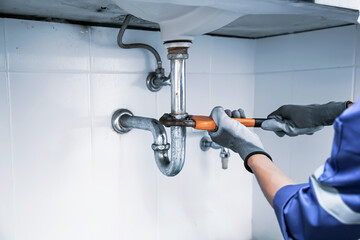
Plumbing costs vary widely based on location, job complexity, materials, and more. However, there are some things you can do to reduce your plumbing bill.
Plan your repairs carefully. If possible, book non-emergency repairs during business hours to minimize labor costs. Also, combining multiple small tasks into one service call can reduce overall labor fees.
Cost of Emergency Repairs
A plumbing emergency can be a major headache. From a burst pipe to a sewer backup, these emergencies are often costly and require professional help. However, homeowners can avoid emergency repairs by taking a proactive approach and conducting routine maintenance to reduce the risk of issues.
In this blog post, we will examine the various factors that influence the cost of emergency plumbing services. We’ll also provide tips on how to reduce the costs of these services by identifying potential savings and negotiating rates with plumbers.
Plumbing emergencies are costly and can threaten the safety of a house’s occupants. The most common issues include no water supply, clogged drains, and sewer line backups. These problems typically require emergency plumbing services, as they can cause severe water damage and pose serious health risks if left untreated.
The cost of an emergency plumbing service varies depending on the issue and the plumber’s location. For example, a sewer backup requires specialized tools and equipment that raise the overall price. The cost of a plumber’s service can also increase if the plumbing problem is in a difficult-to-reach area or needs to be repaired using more invasive methods.
Other factors that influence the cost of an emergency plumbing service are its complexity and urgency. For instance, a simple clog is less expensive than a serious sewer backup or a burst pipe. Additionally, services performed during holidays, weekends, or at night are usually more expensive than those provided during the weekday.
To avoid paying more for emergency plumbing services, it’s important to ask the plumber for a detailed quote before agreeing to any work. This will help you understand the labor and parts that are included in the price and avoid any surprise charges. In addition, it’s a good idea to use the same plumber for both routine plumbing maintenance and emergency plumbing services. This can save money, as the plumber may be more willing to offer a discount for loyal customers.
It’s also important to remember that the most effective way to reduce the cost of emergency plumbing services is to prevent them from occurring in the first place. Regular maintenance and annual inspections can catch issues before they escalate, saving you time and money in the long run.
Cost of a Single Repair
When it comes to plumbing repairs, the cost can vary depending on the type and severity of the problem. Smaller jobs like unclogging drains or fixing leaky faucets generally cost $125 to $350. However, larger repair jobs such as repairing water line leaks or sewer line repairs can be much more expensive. In some cases, if the issue is urgent, you may be charged higher emergency rates.
The average hourly rate for plumbers is around $105. However, this can be higher or lower depending on the location and the plumber’s experience. Most plumbing companies charge by the hour for regular maintenance services, while others may offer flat-rate prices for certain repairs or installations.
Some examples of common plumbing repairs include fixing a clogged toilet, replacing a showerhead or faucet, and repiping the house. Replacing the main plumbing stack in a home usually costs between $2,000 and $5,000. This is the pipe that funnels all of the drains and toilets in the house to the city sewer system. It is typically made of cast iron or PVC, and it can become clogged or damaged, which will stop all water flow in the house.
Another important factor in determining the price of a plumbing repair is the type of pipes used. The most common pipes in modern homes are made of PVC, which is resistant to corrosion and easy to work with. Older pipes are typically made of galvanized steel or polybutylene, which can corrode over time and cause leaks. In some cases, repiping the entire house may be necessary if these older pipes are leaking or rusting.
Other factors that influence the cost of a plumbing repair include the complexity of the job, materials, and labor rates. Complex repairs, such as repiping the entire home, are typically more expensive than simple repairs, such as a clogged toilet or leaky faucet. Additionally, high-quality or specialized materials may increase the cost of the repair.
It is important to hire a licensed plumber for any major plumbing repair or installation projects. This ensures that the work is done properly and safely. Additionally, a licensed plumber can help you obtain the required permits for your project, which can save you a lot of time and money in the long run.
Cost of a Single Fixture
The cost of a single fixture depends on the type, materials and labor required to install it. A basic toilet costs around $200 to $500, while a shower or bathtub can be more expensive. Other factors that influence the cost include the number of fixtures, plumbing rough-in prices, and local labor rates. Plumbers often charge higher hourly rates in metropolitan areas. Getting several quotes from reputable plumbing contractors will help you compare the price ranges and make the best decision for your project.
Rough-in plumbing connects pipes before the walls go up, while final plumbing prices connect appliances and fixtures once construction is nearing completion. Rough-in plumbing is usually more costly than finishing a bathroom, because it includes the installation of multiple fixtures and may require the use of specialty pipes. Some states also have different regulations for the types of piping used in homes, which can affect the overall price. For example, if you live in an area that experiences freezing temperatures, your plumber may need to install freeze-proof piping.
In addition to these major variables, there are many smaller considerations that can drive up the cost of a new home’s plumbing system. For example, a house with a two-story layout will need longer pipe runs than a single-story home. Additionally, a house with a wet bar will need more complicated plumbing systems than a simple kitchen and bathroom.
If you’re planning to build a new home or renovate an existing one, understanding the plumbing costs involved will help you budget accordingly. To avoid unpleasant surprises, you should always consult with a licensed plumber to get an estimate of the work. In addition, a thorough plumbing inspection should be included in the overall cost of the construction or renovation project.
Knowing the rough-in plumbing costs associated with a new construction will ensure that your project stays within budget and meets state regulations. Getting estimates from several licensed plumbers before hiring them is essential to find the best price and quality. Always ask for an itemized quote that separates material costs from labor rates, and request detailed information about the piping and fixtures. By following these tips, you can avoid unexpected expenses and save money without sacrificing the quality of your new home.
